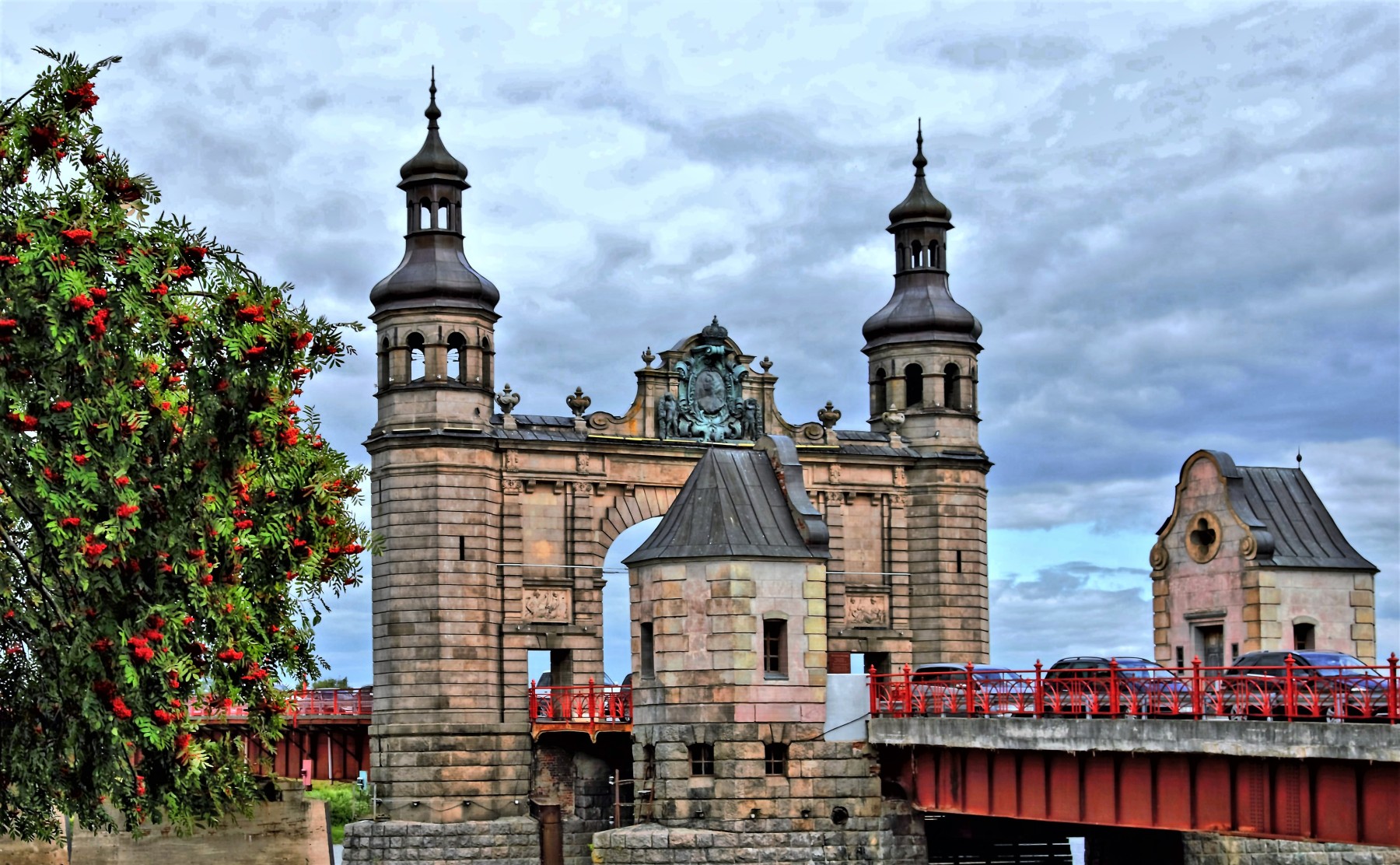
Tilsit? Isn’t that where the cheese comes from? Indeed, that is correct. At least originally. Today, the cheese is produced elsewhere. Tilsit was Germany’s easternmost city, located directly on the Memel River. Its inhabitants were self-confident citizens of Prussia with great affection for Queen Louise – Prussia’s Queen of Hearts, as someone once wrote. During the Peace of Tilsit in 1807, she attempted to negotiate favorable peace terms for Prussia from the French aggressor Napoleon. According to historians, this did not quite succeed due to the clumsy actions of her husband, Frederick William III. Nevertheless, it was worth a try.
Tilsiters made history
Many famous personalities hail from Tilsit: the romantic poet Max von Schenkendorf (“The Freedom I Mean”) and the writer Johannes Bobrowski. The “Captain of Köpenick” was initially the ex-convict shoemaker Wilhelm Voigt from Tilsit. Musician and actor Armin Müller-Stahl also comes from here. The 1944 vintage was apparently particularly good: two “hidden champions” of music were born in Tilsit: Joachim Fritz Krauledat and Edgar Froese. Never heard of them? The former became John Kay and led the legendary band Steppenwolf as frontman for over 50 years (https://steppenwolf.com/p-4268-john-kay.html). The latter founded the influential progressive rock band TANGERINE DREAM – a creative pioneer of electronic music (www.tangerinedream-music.com).
Tilsit after the war – the city of Sovetsk
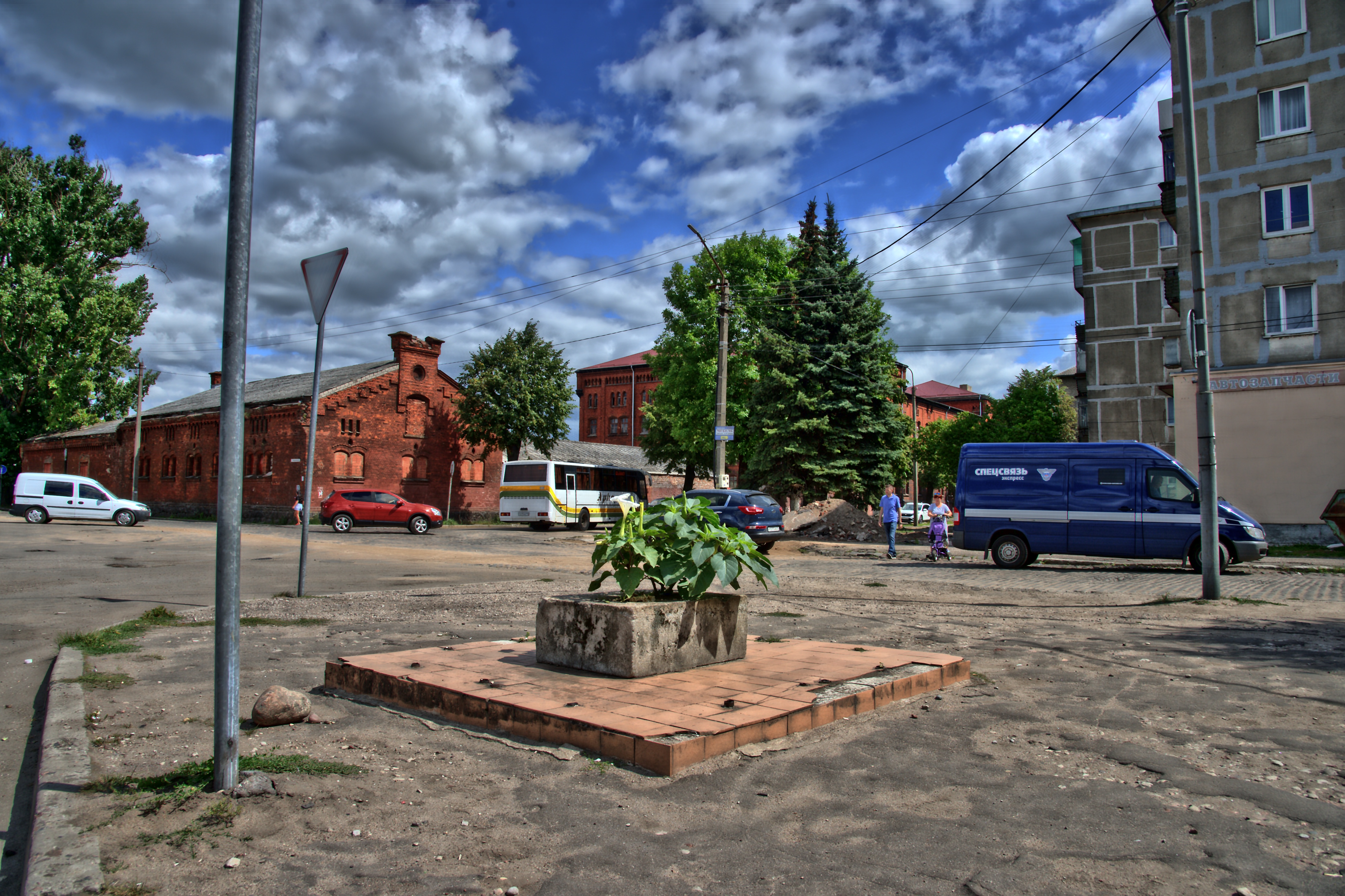
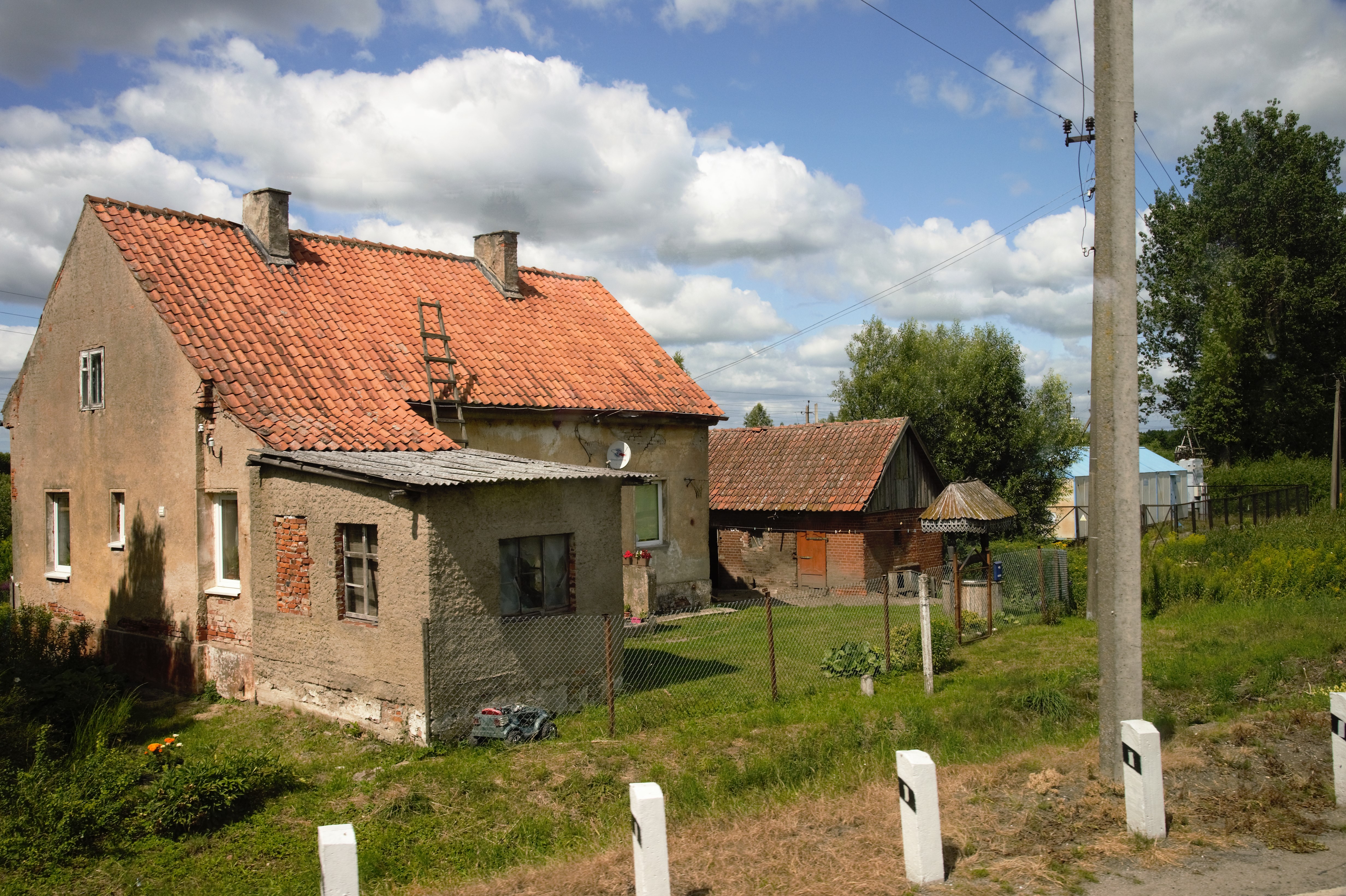
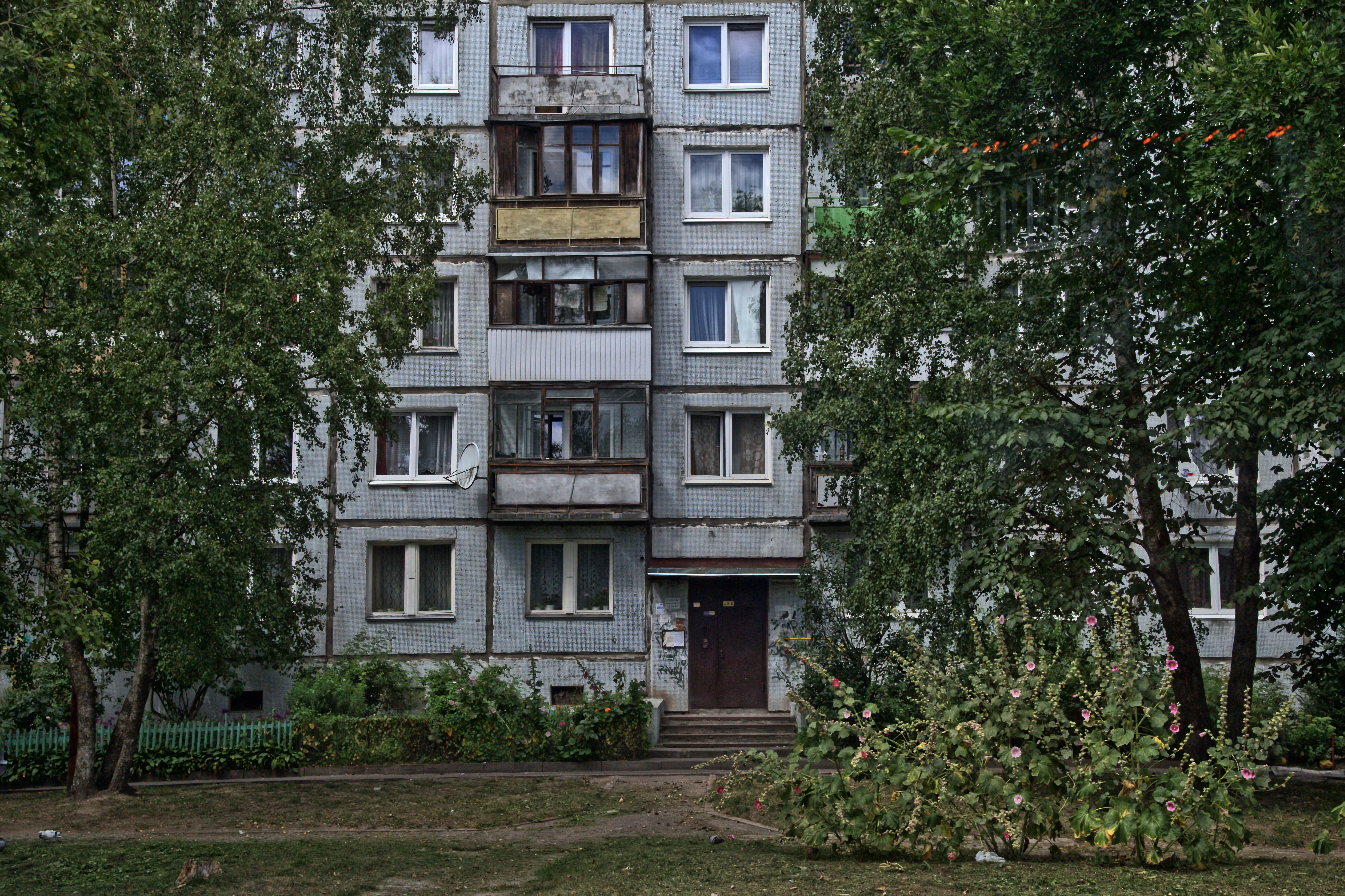
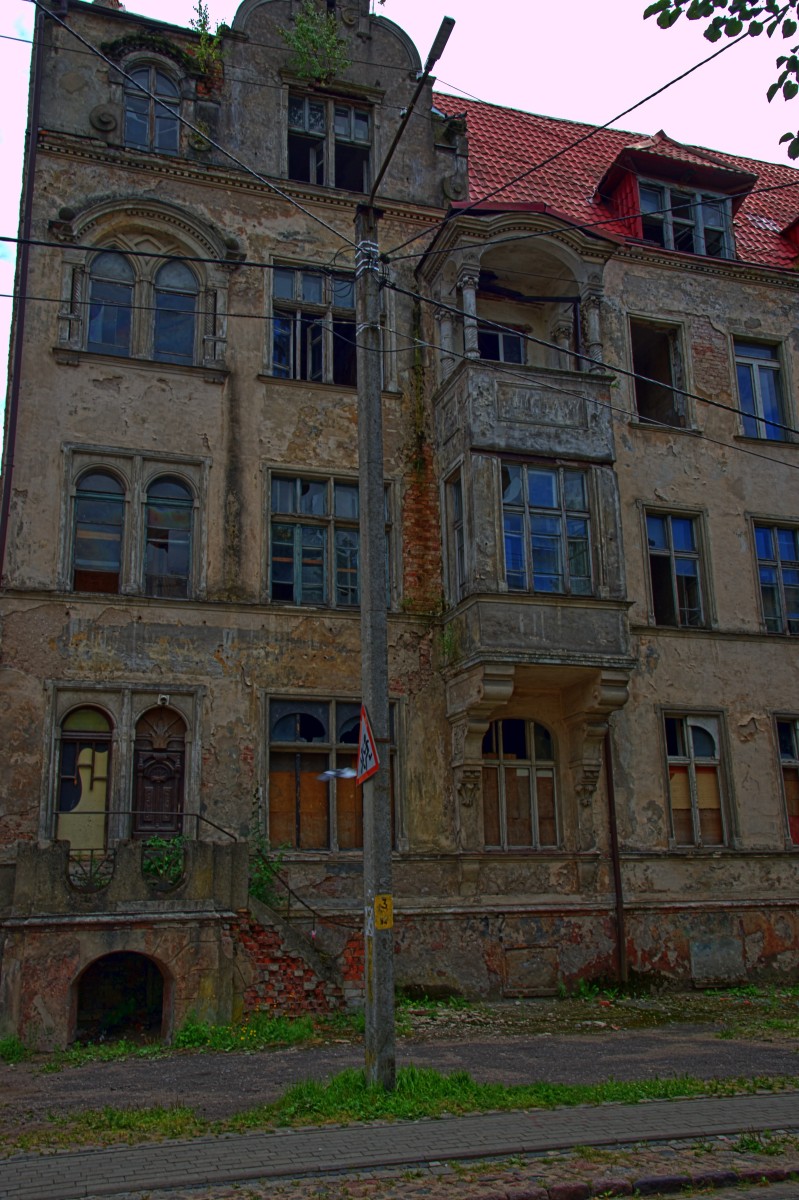
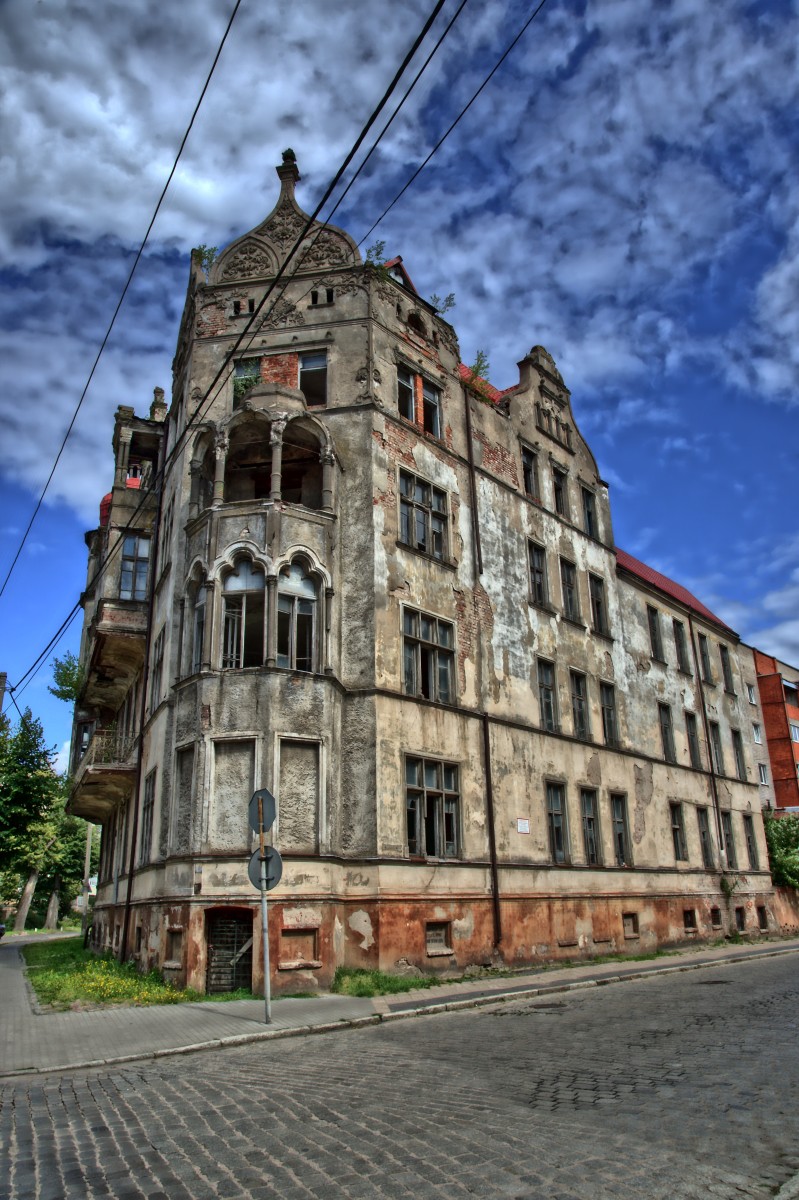
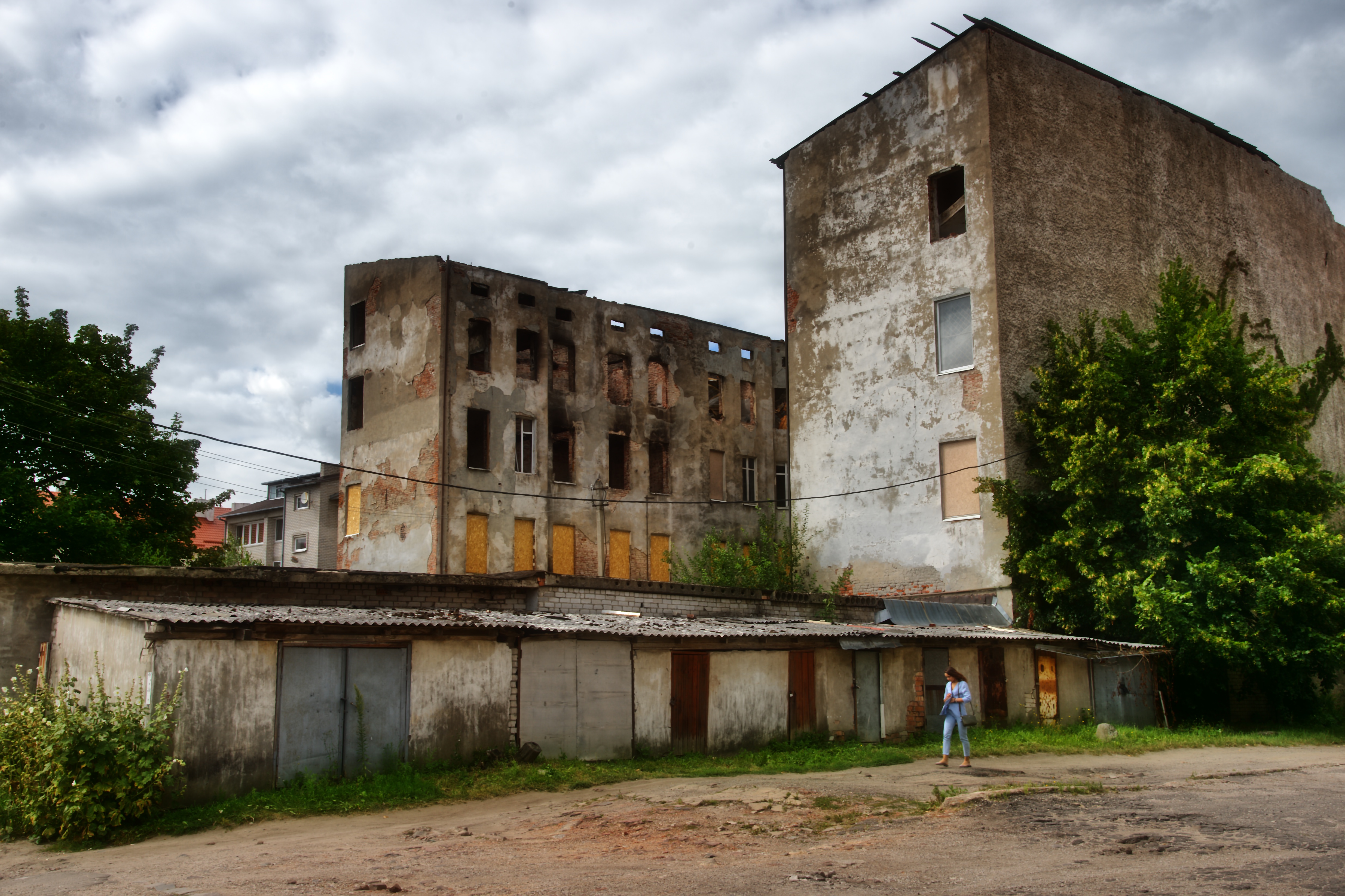
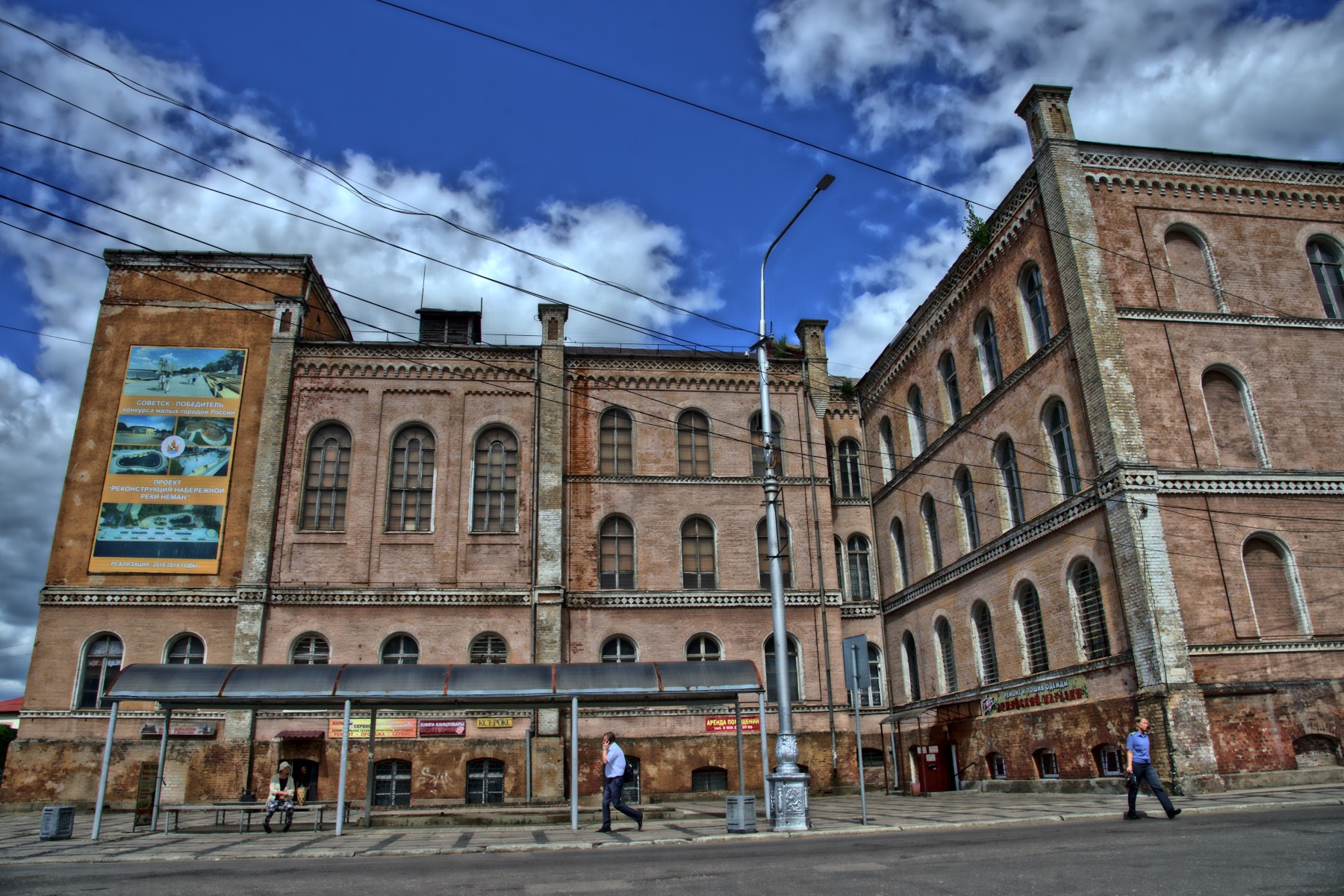
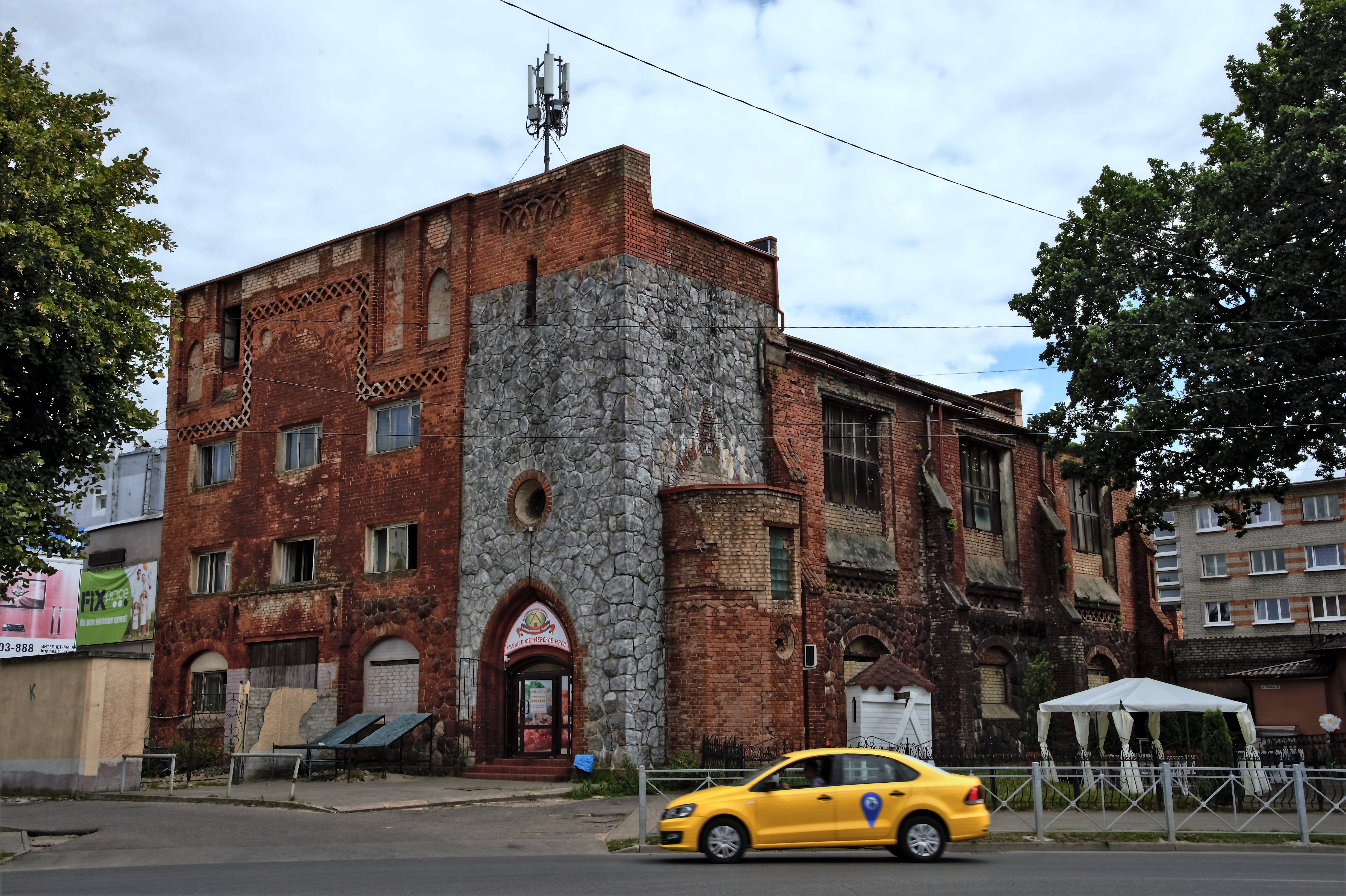
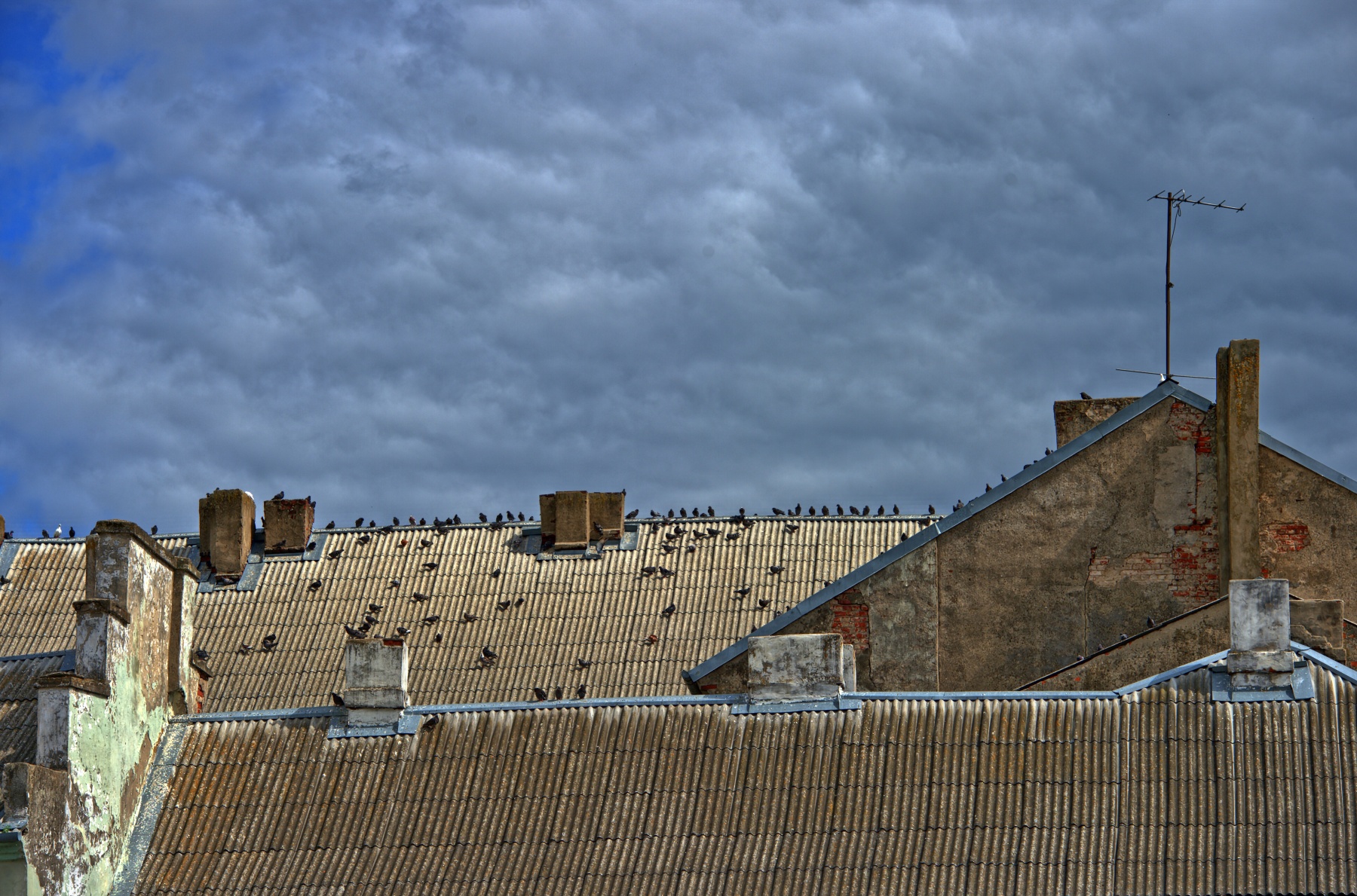
Tilsit was a beautiful city. Not anymore. Today’s Sovetsk, as the city has been called since 1946, is shockingly dilapidated; the many Soviet buildings are mostly ugly and run-down. Only about 30% of the old German city remains. All seven churches of Tilsit are gone, most lost after the war due to arson or decay. Only the Kreuzkirche (Cross Church) still stands – it is mutilated and now a factory. One must look closely, otherwise, one passes it by carelessly.
Today’s Sovetsk – the city of Tilsit
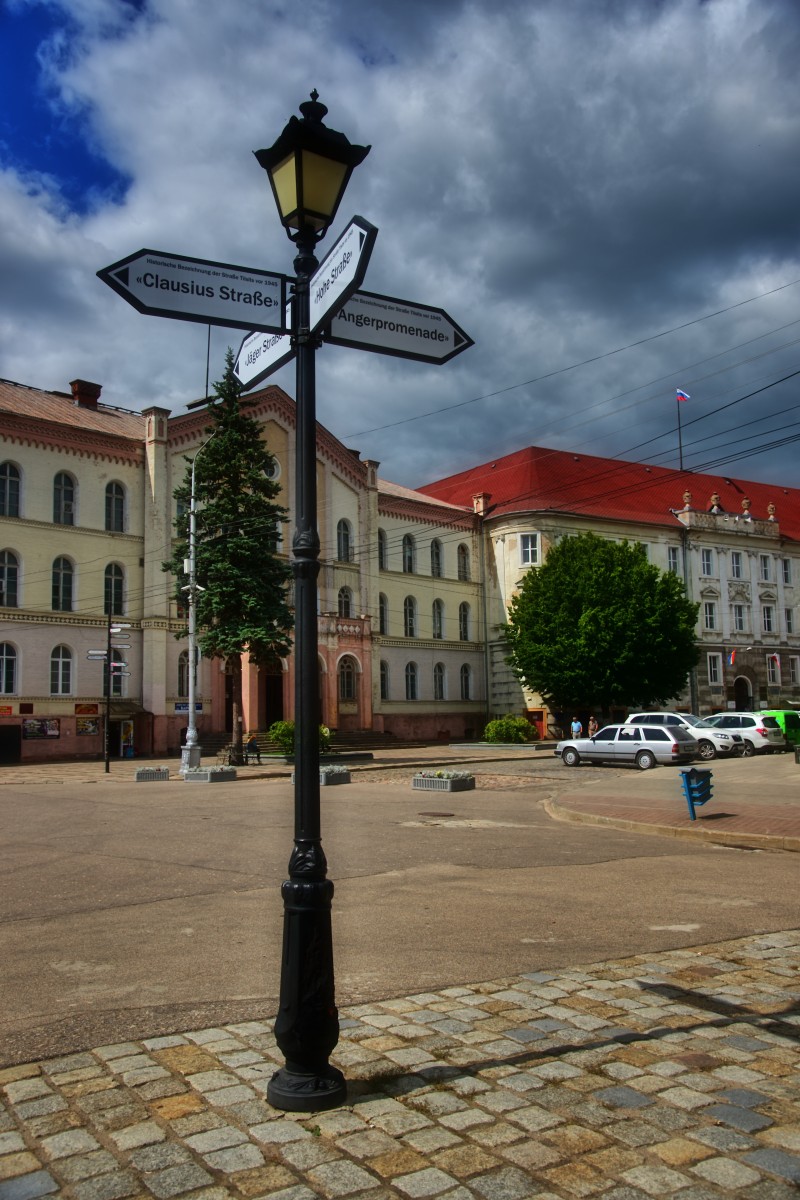
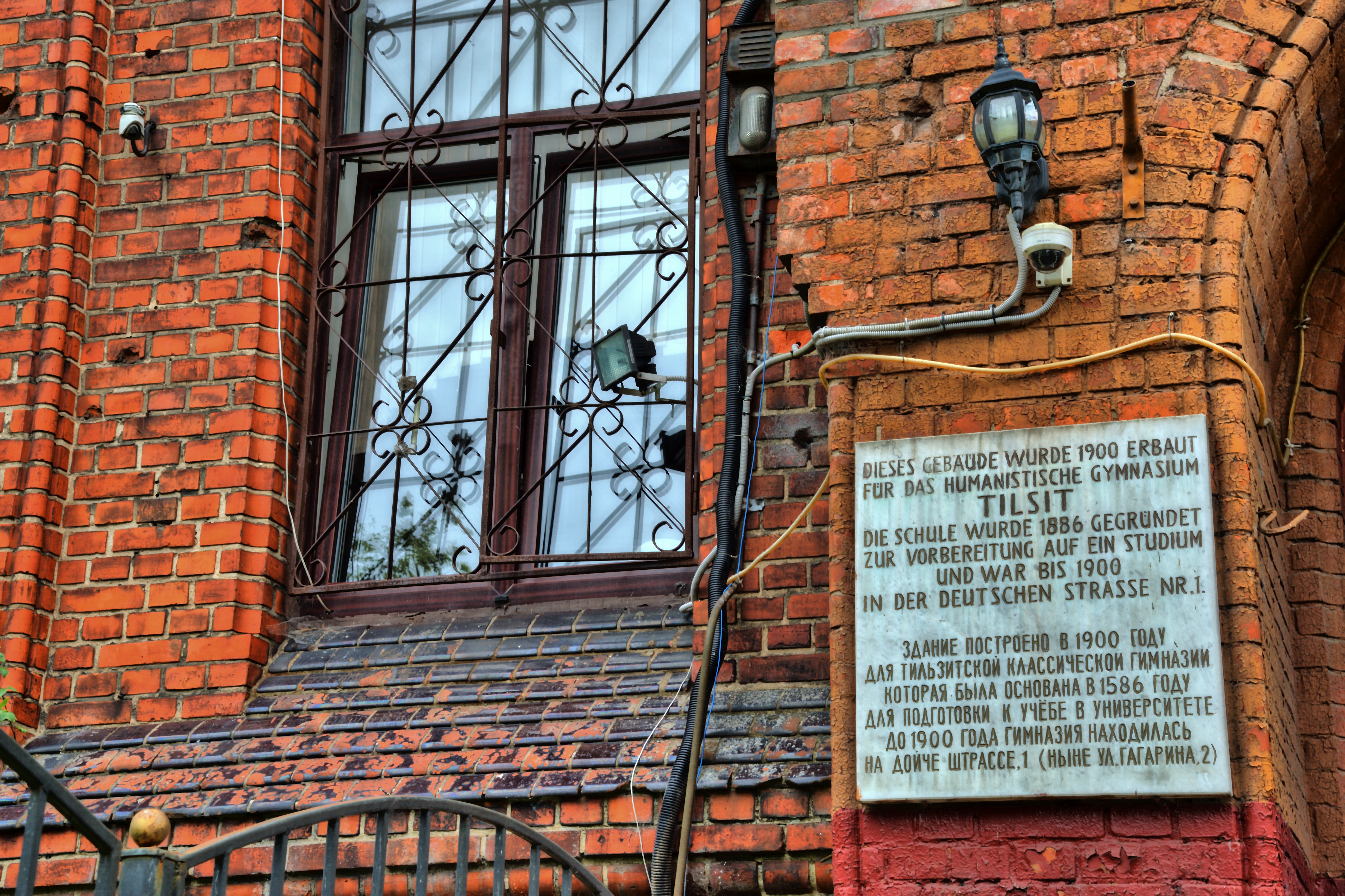
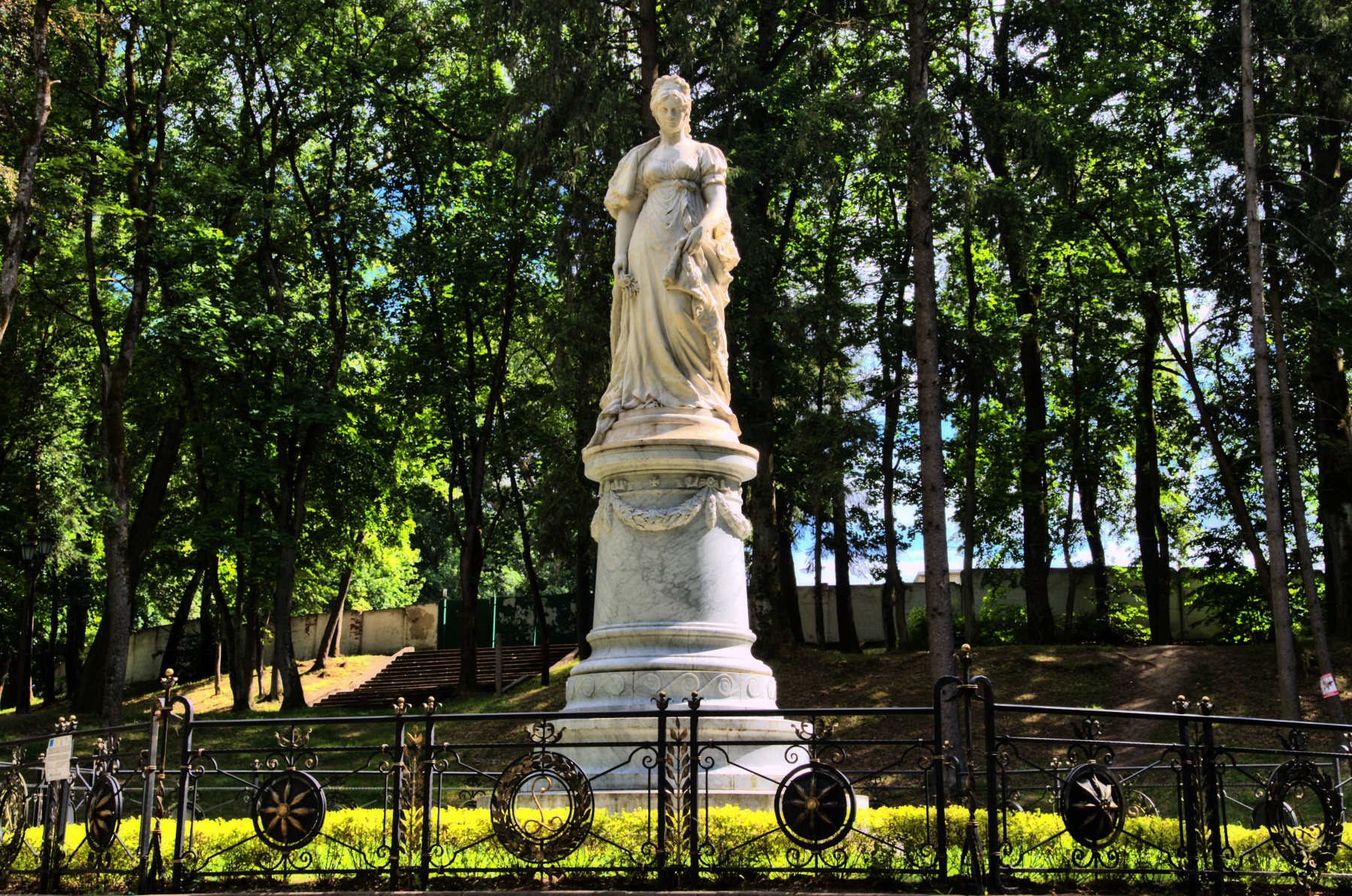
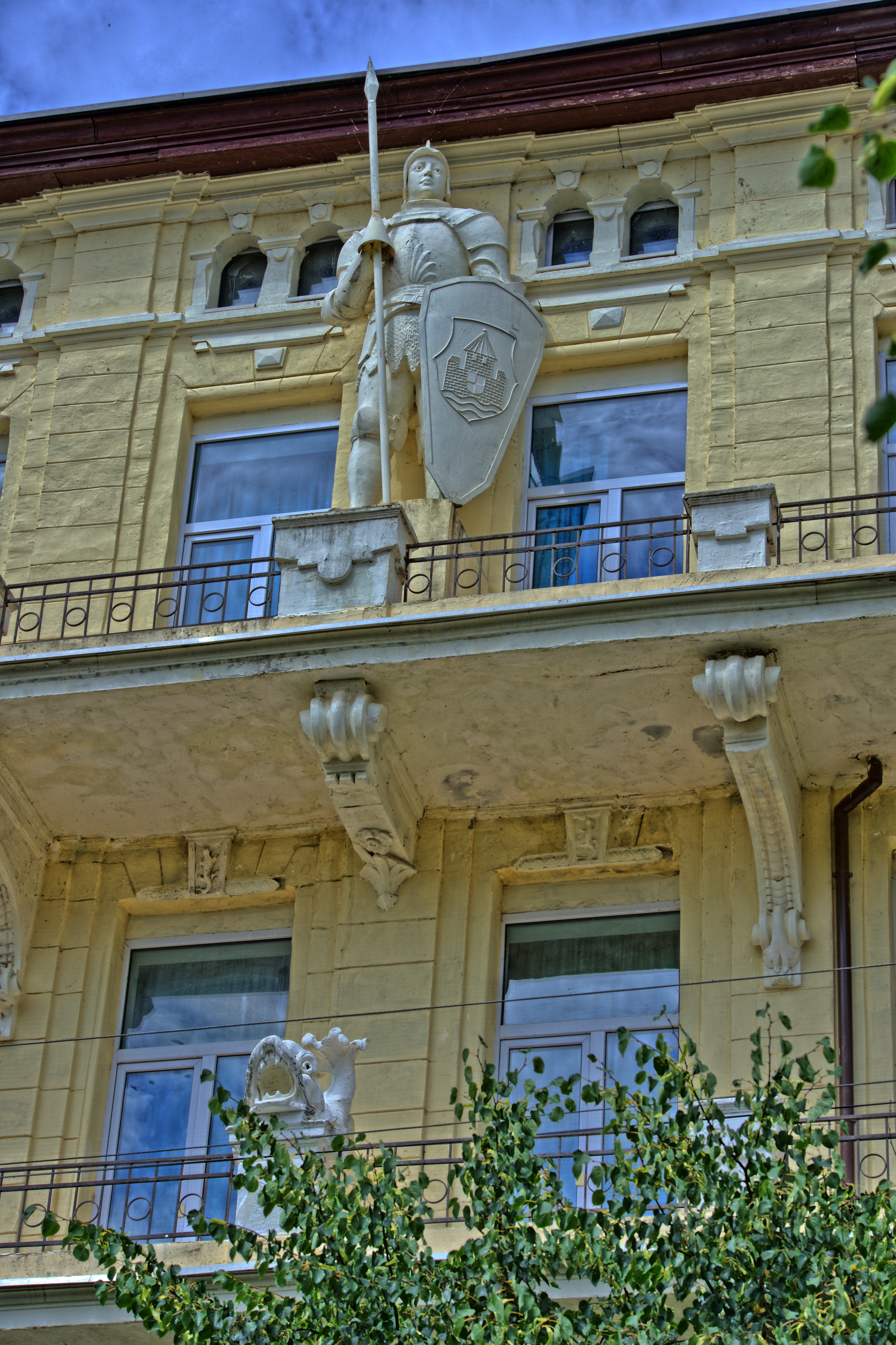
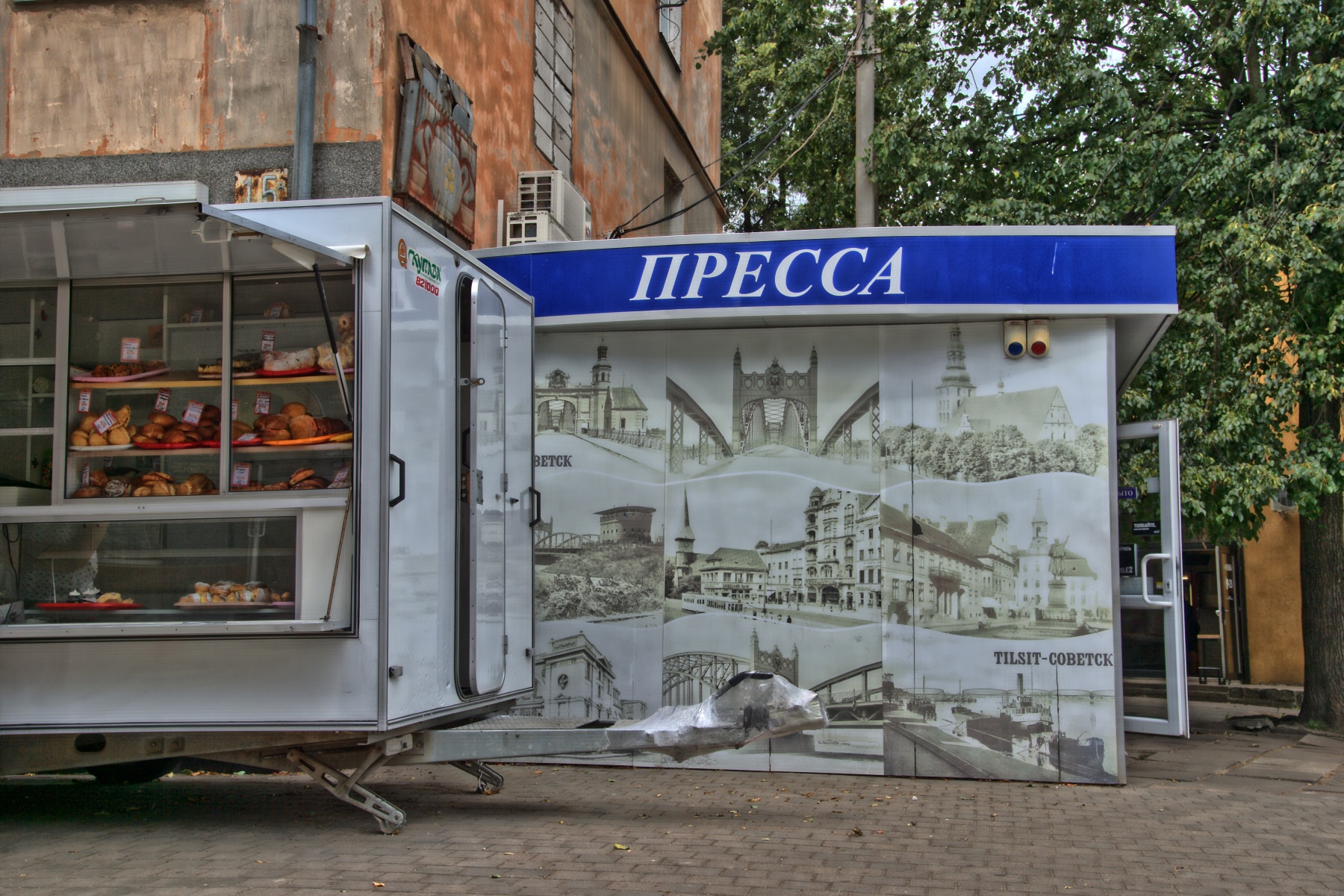
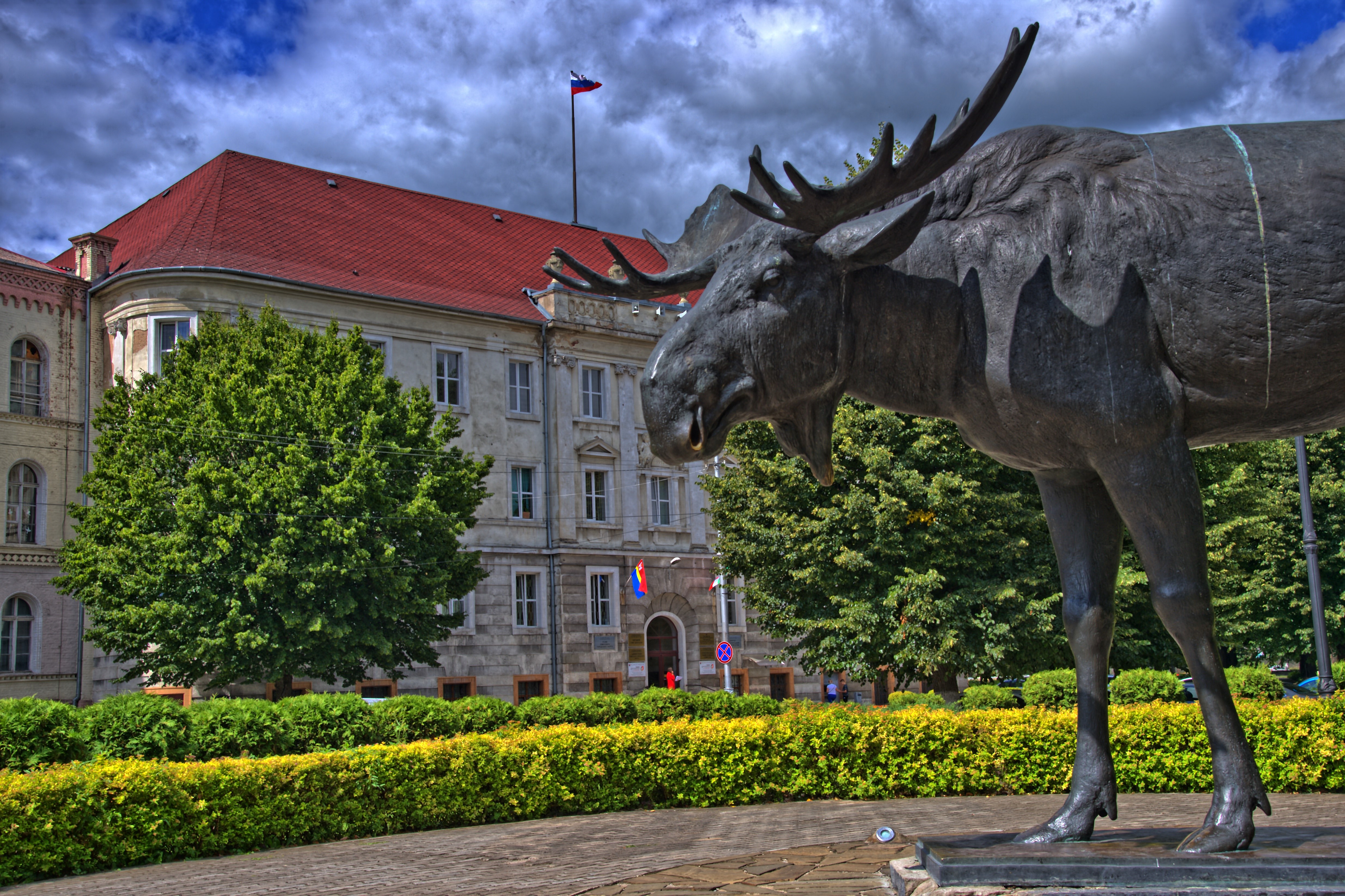
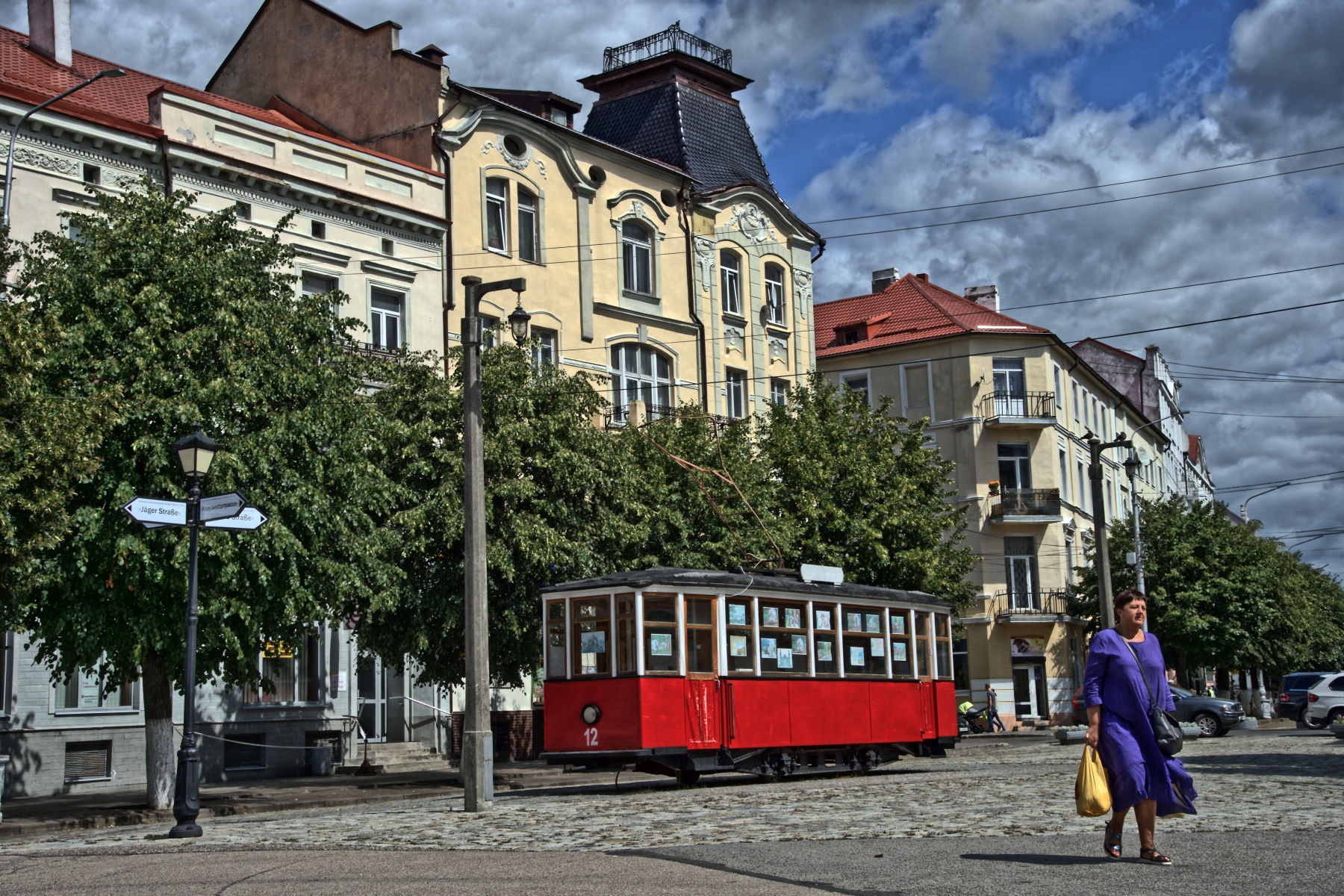
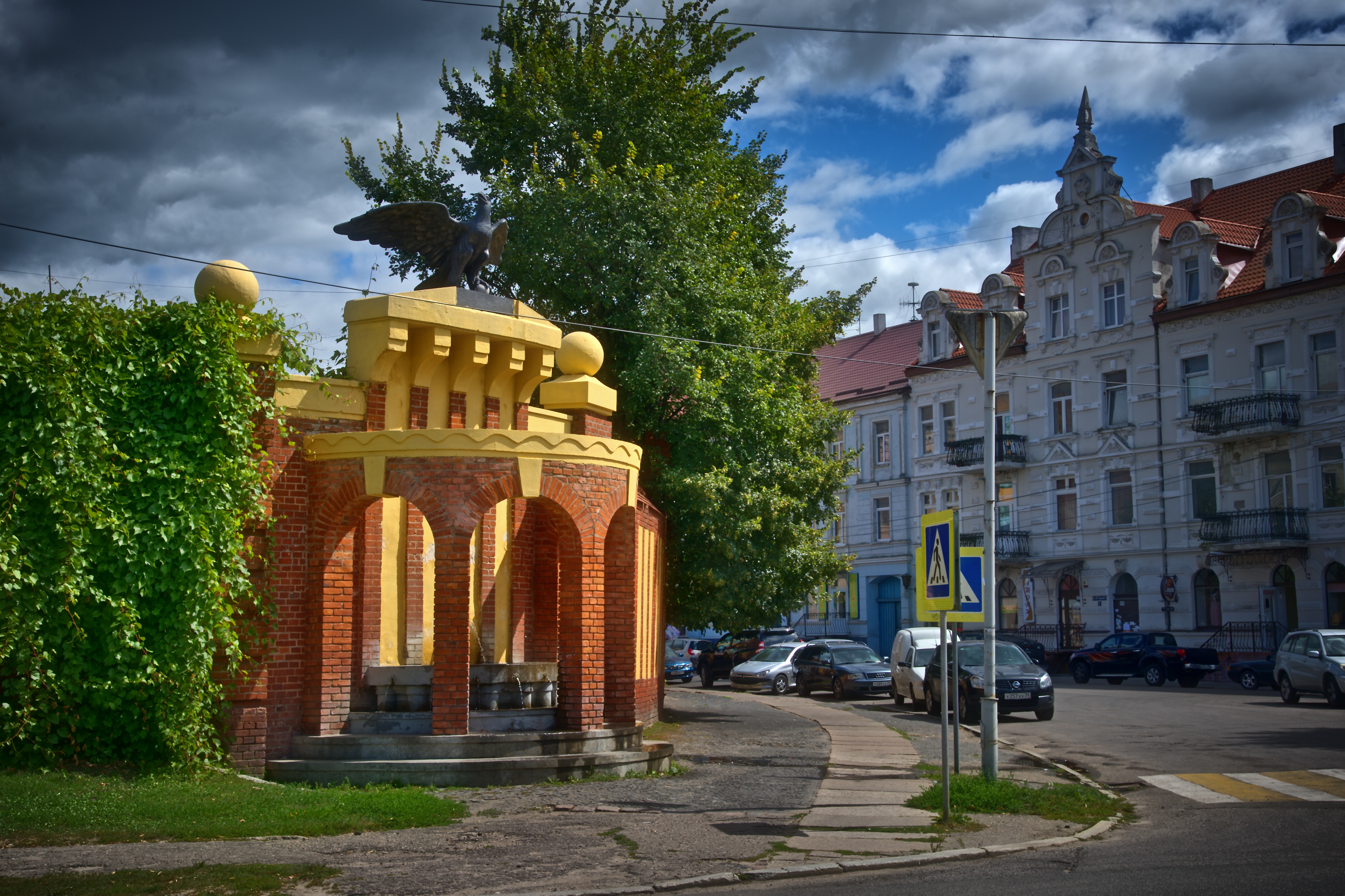
However, there is hope: the otherwise rather sluggish city administration has reinstated the Tilsit coat of arms as the coat of arms of Sovetsk, the local city museum openly and actively informs about the German past, the Queen Louise monument stands again, and on the square in front of the former District Court, a German street with German-language street signs and the famous elk sculpture has been lovingly restored. Many residents are historically interested and responsibly urge the city administration to stop the decay. Otherwise, time moves a little slower in Tilsit/Sovetsk than elsewhere. Just like in the past.