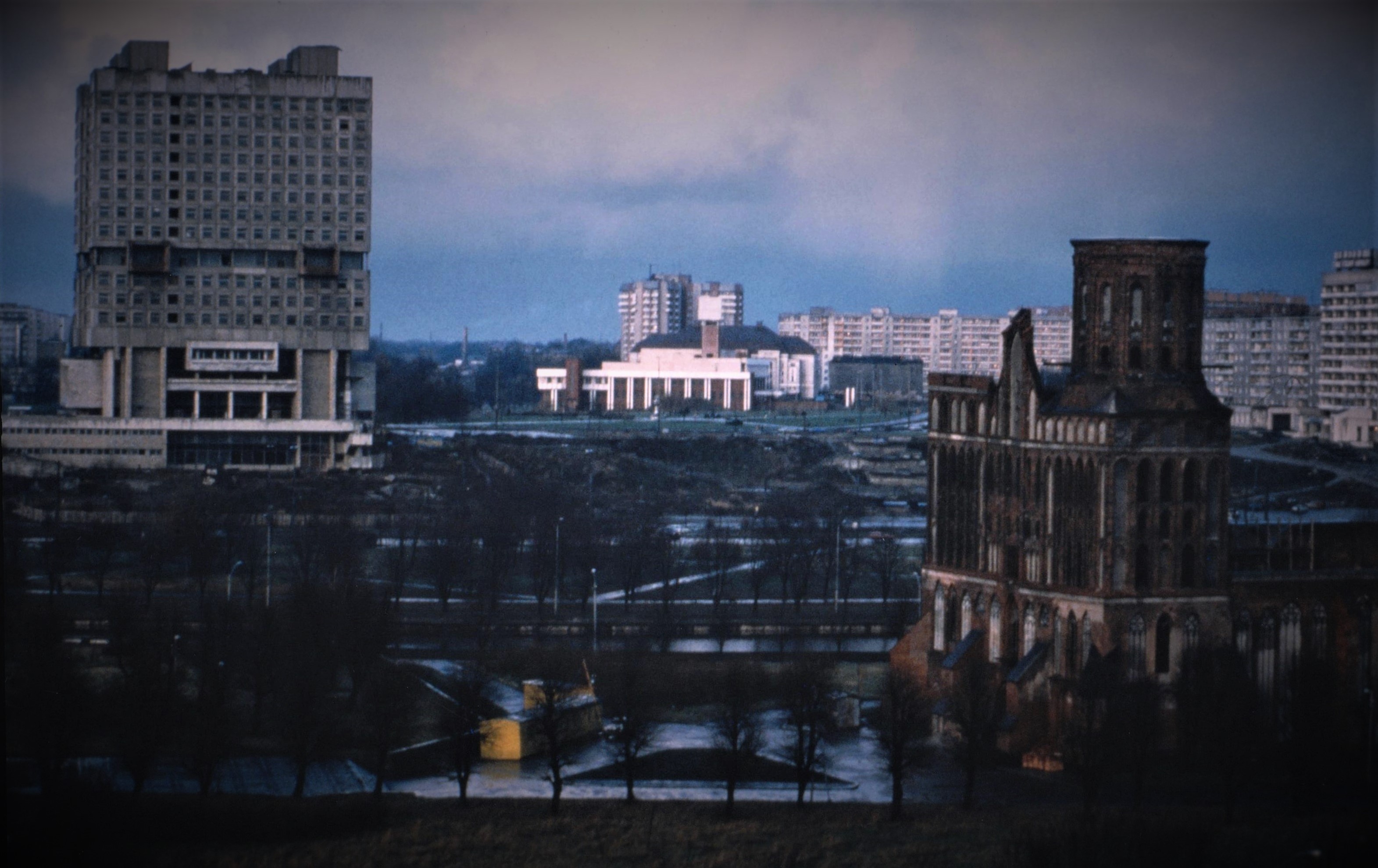
The downfall of Königsberg, the old East Prussian capital and one of Europe’s most beautiful cities at the time, began with the British bombing raid in August 1944. Heavy fighting for “Fortress Königsberg” was followed by its capture on April 9, 1945, by the Red Army, with subsequent days of uncontrolled cruelty towards the remaining German population (approx. 100,000 out of 380,000 inhabitants). The Soviet people’s revenge was unleashed with full force and severity. After that: hunger and cholera. Approximately 25,000 Germans survived. Königsberg became Soviet, but essentially Russian. It was celebrated and expelled, destroyed and demolished, planned and rebuilt.
Today, after almost 50 years as a restricted area, and only 600 kilometers to Berlin but 1200 kilometers to Moscow, for many Kaliningraders, the West is closer than Russia.
In 2005/2006, a double anniversary converged, either by chance or ironically: the old Hanseatic and residential city of Königsberg i.Pr. turned 750 years old. At the same time, it has been 60 years (July 4, 1946) since the Soviet dictator Stalin renamed the city after his comrade-in-arms Mikhail Kalinin: Kaliningrad.
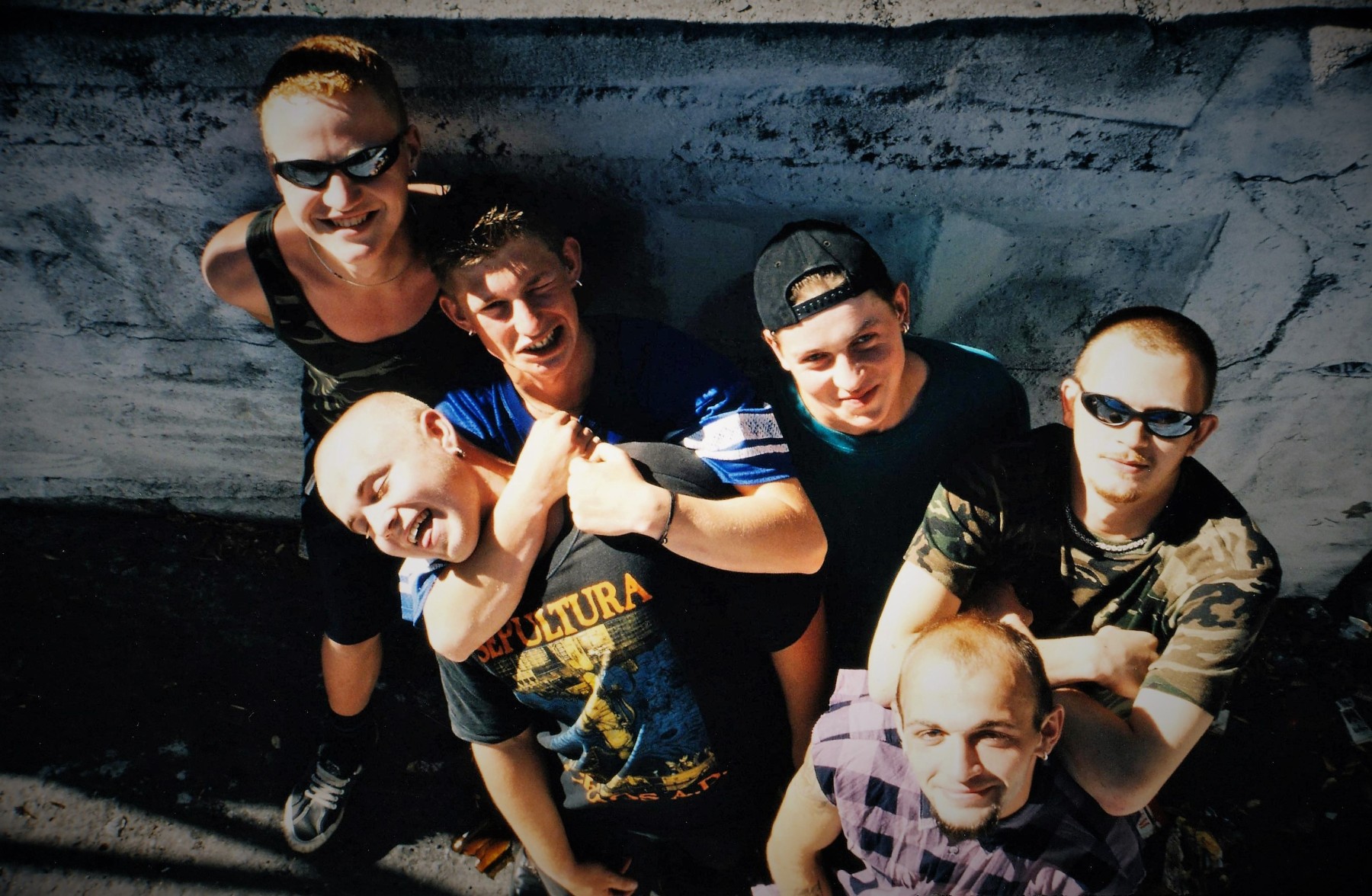
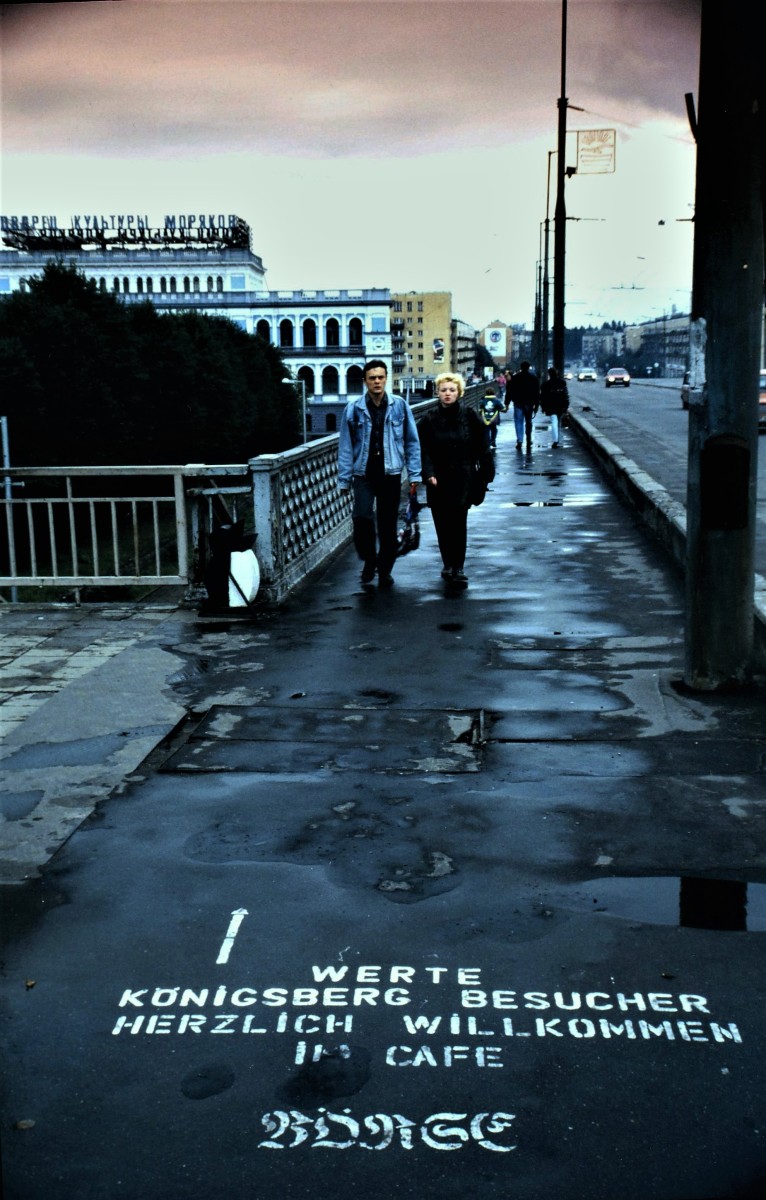
Today, the Kaliningrad region, i.e., northern East Prussia, lies like an island amidst the new EU countries. The renaming to Kenigsberg (Russian for Königsberg) is currently not an issue after the initial, heated debates in the mid-1990s. The suggestion of Kantgrad (Kant City), named after the Königsberg philosopher Immanuel Kant, was also discussed (and partly still is). Quietly and uninhibitedly, however, the young generation is conquering the city – calling it Kenig City or simply Kenig.
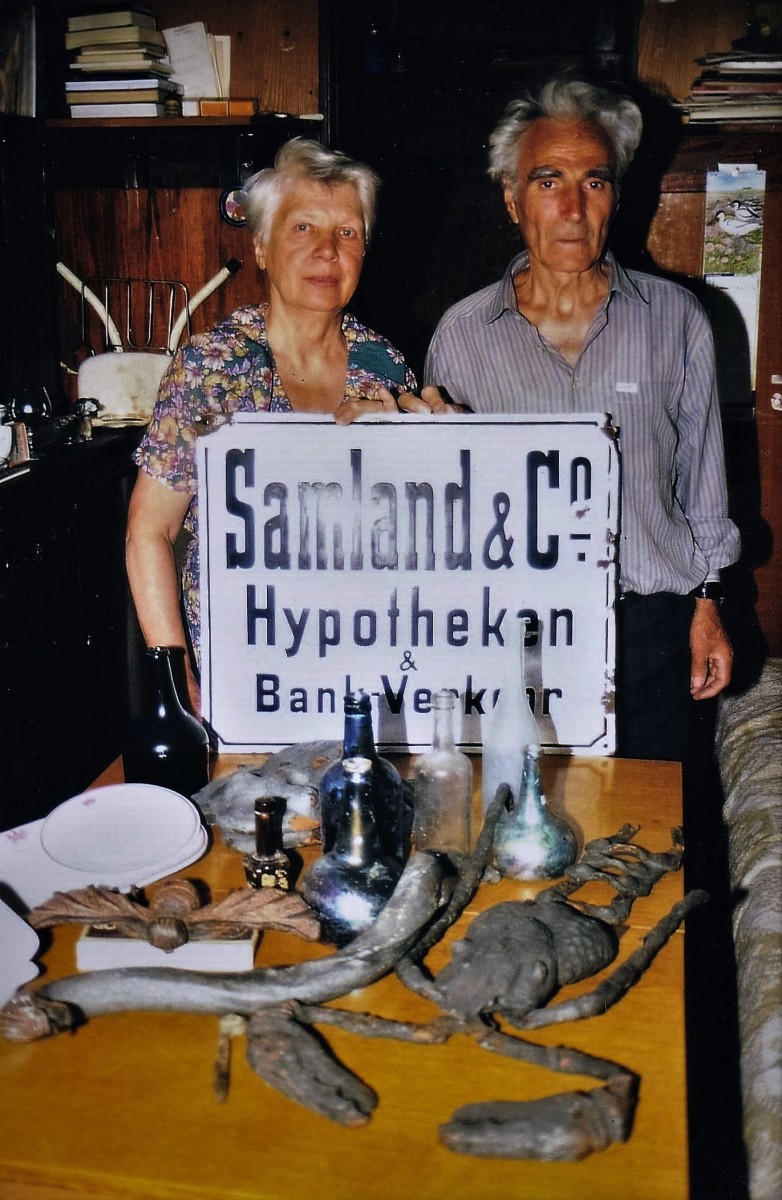
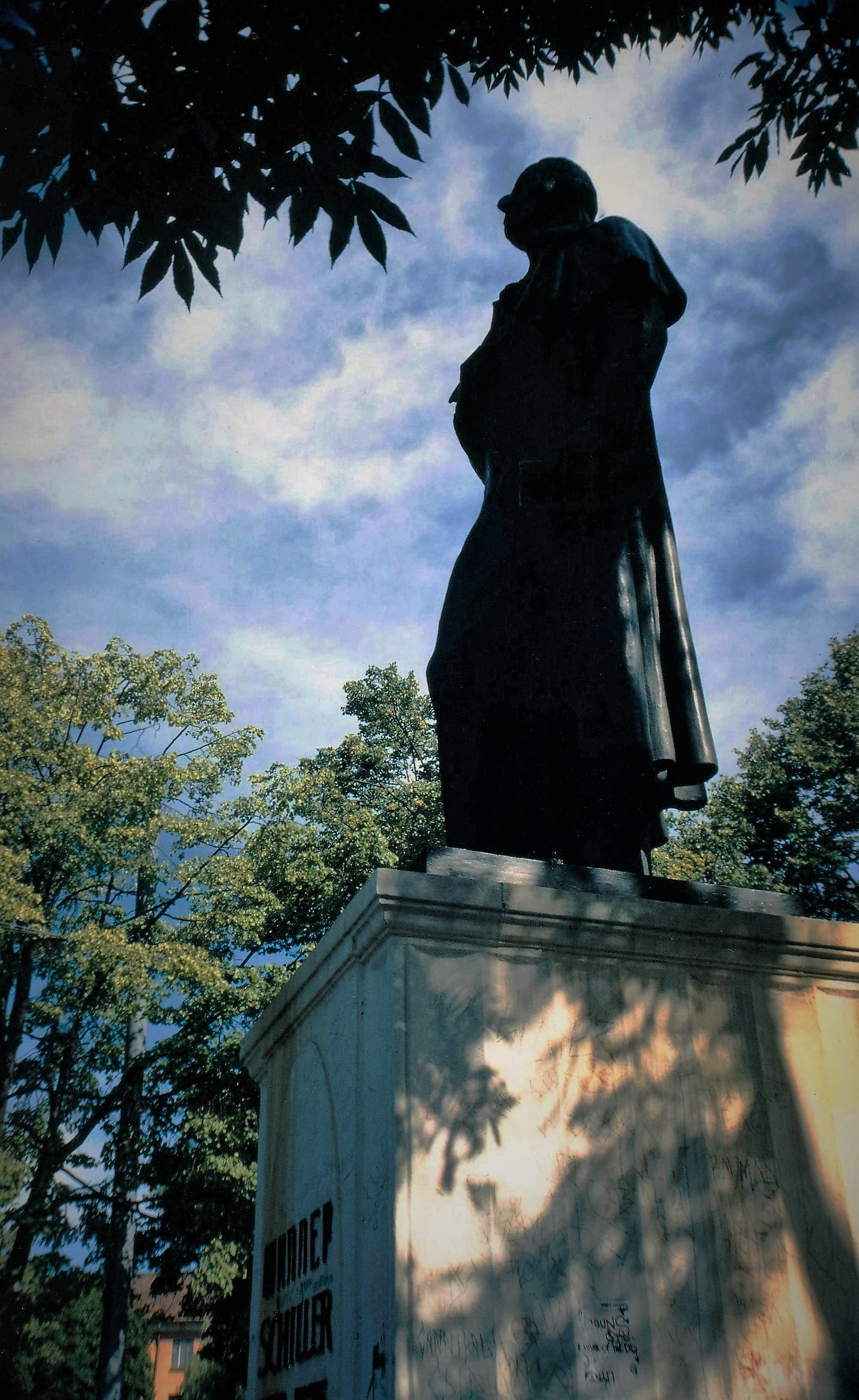
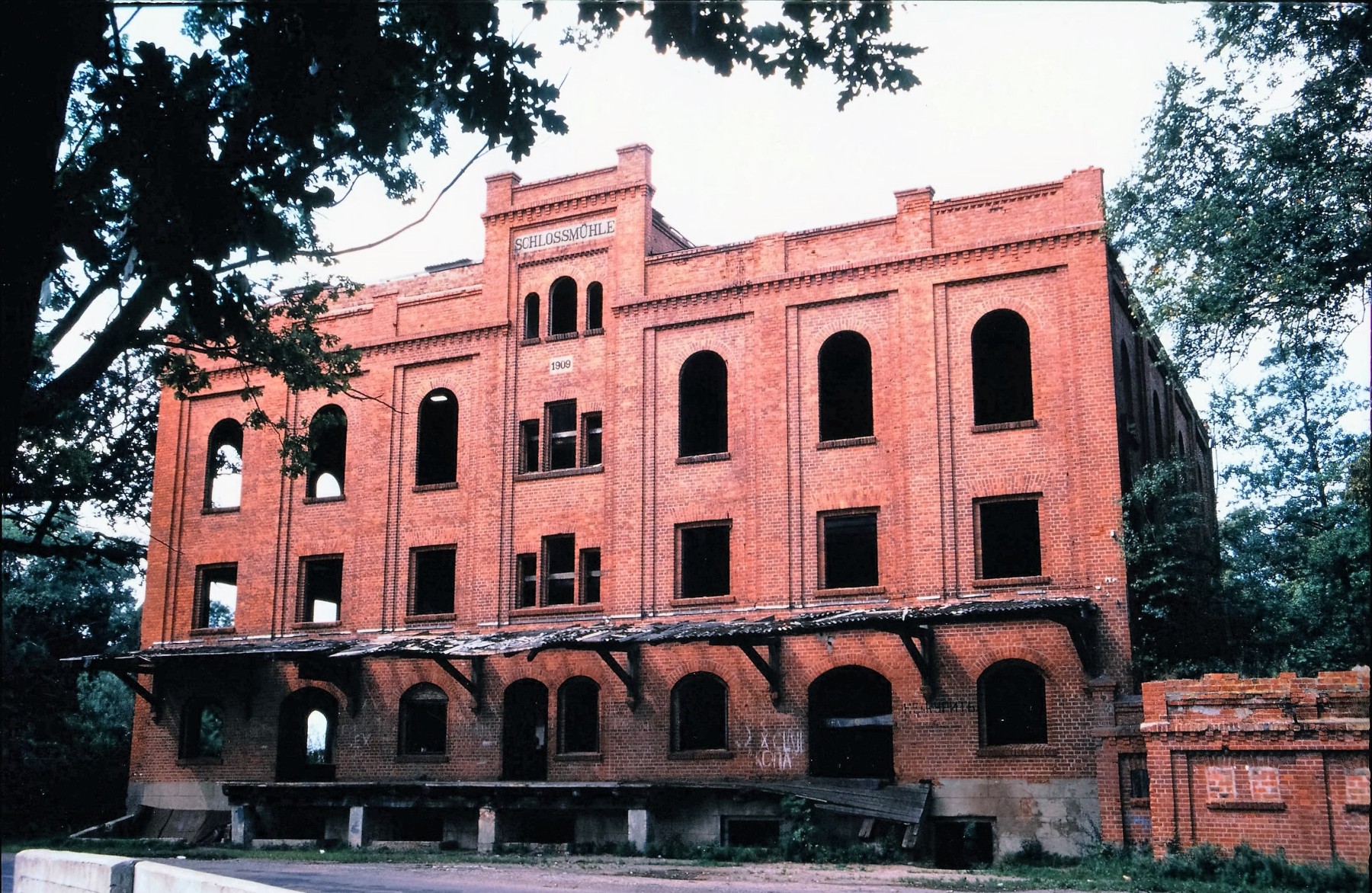
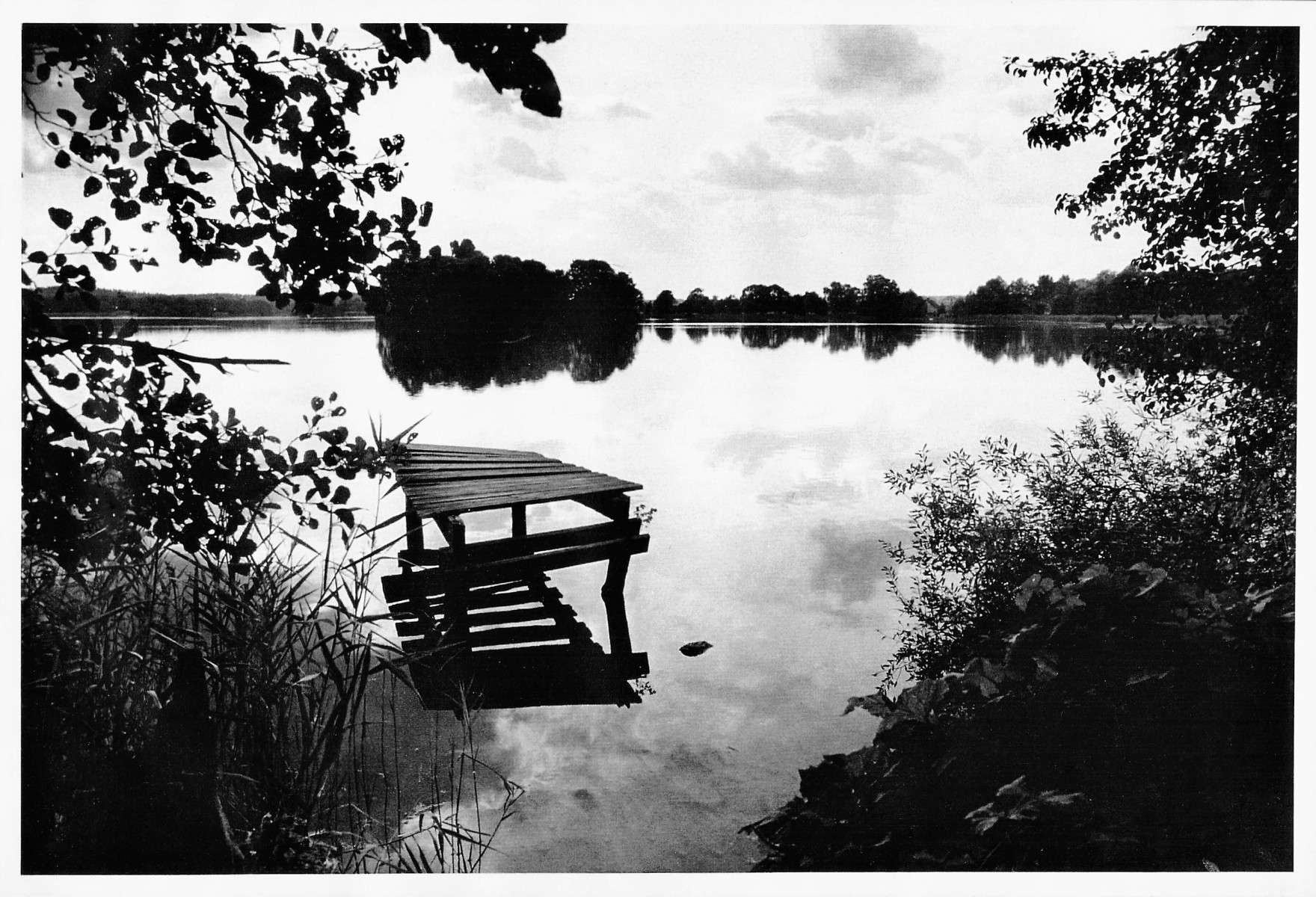
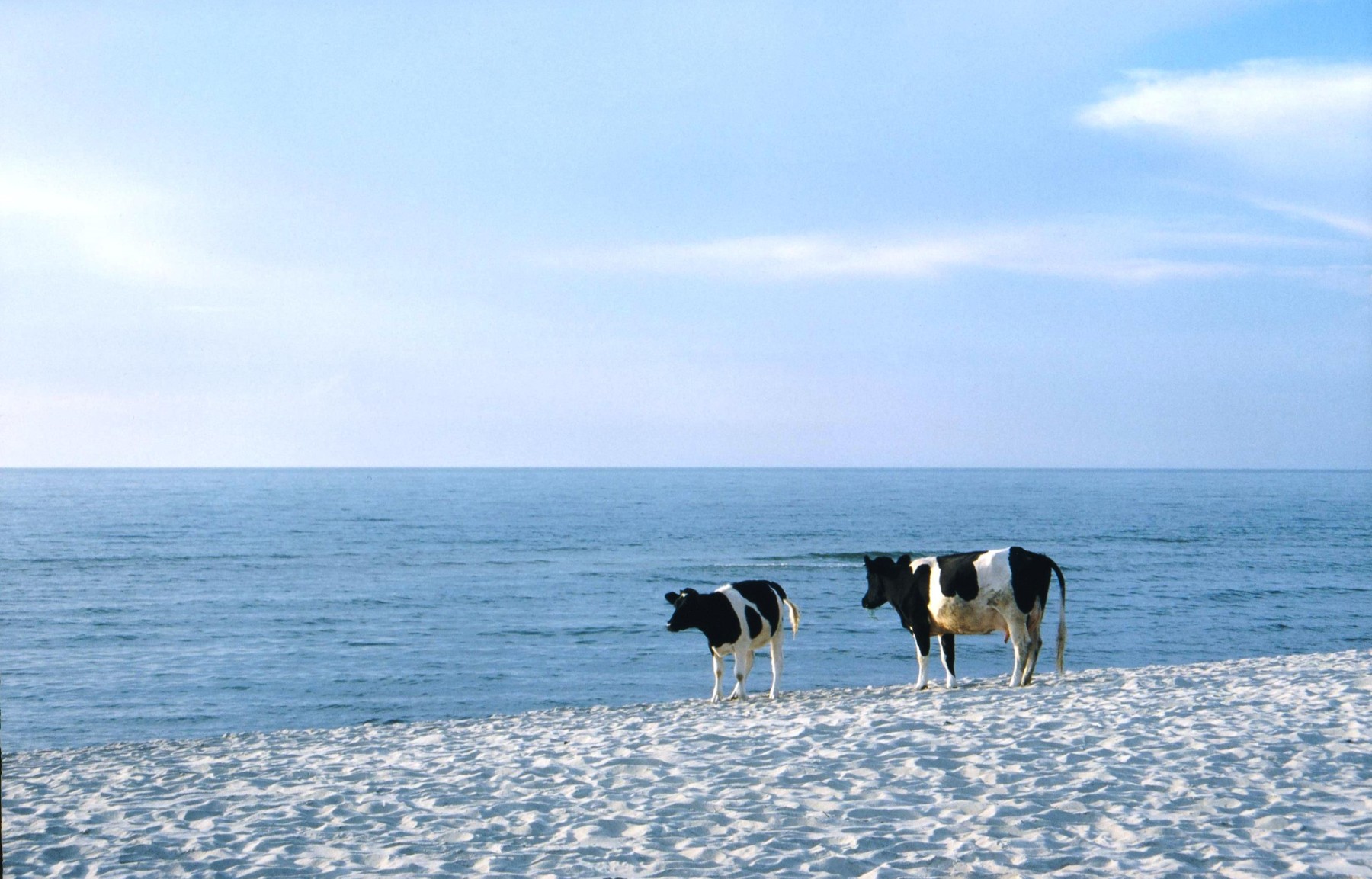
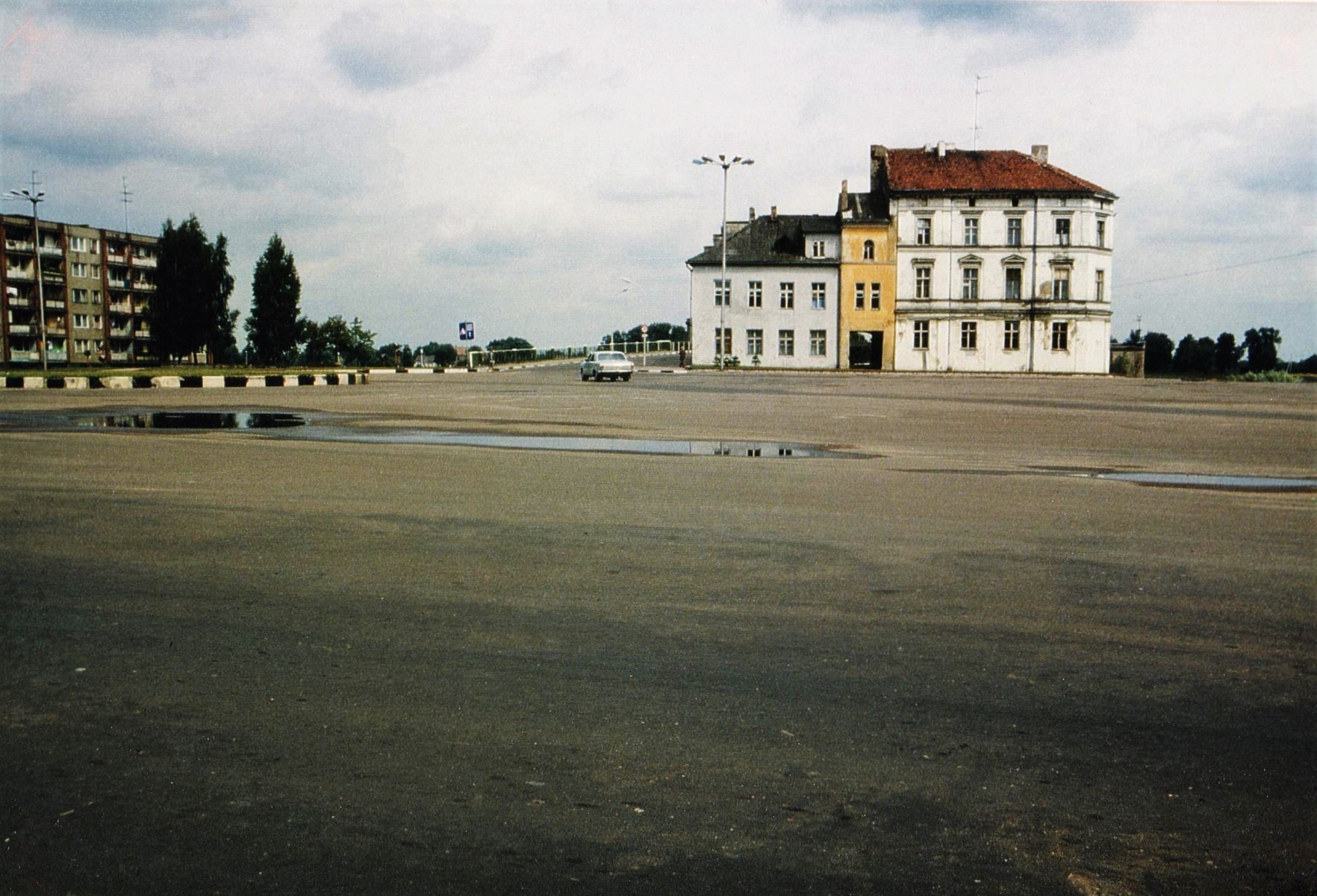
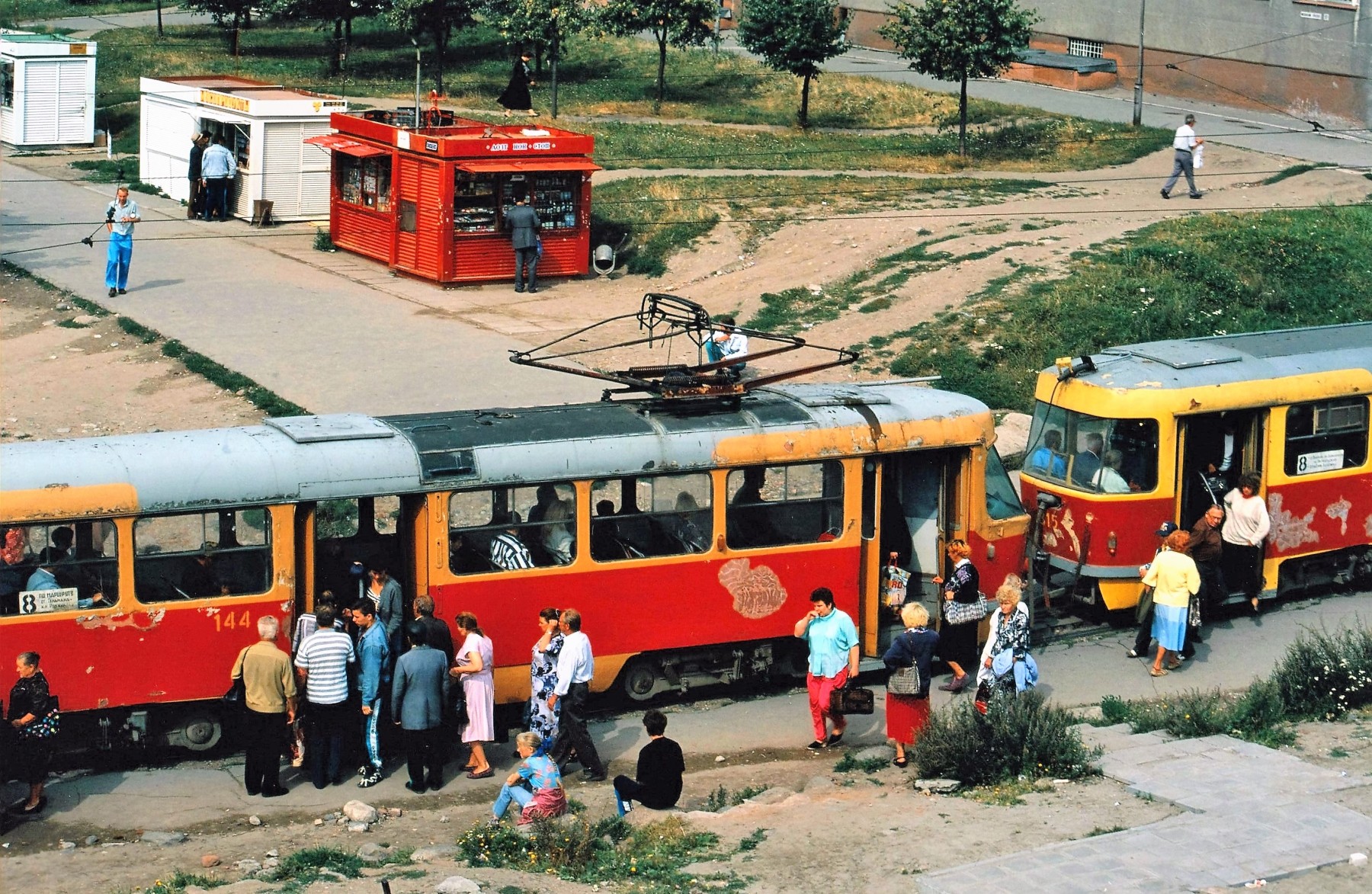
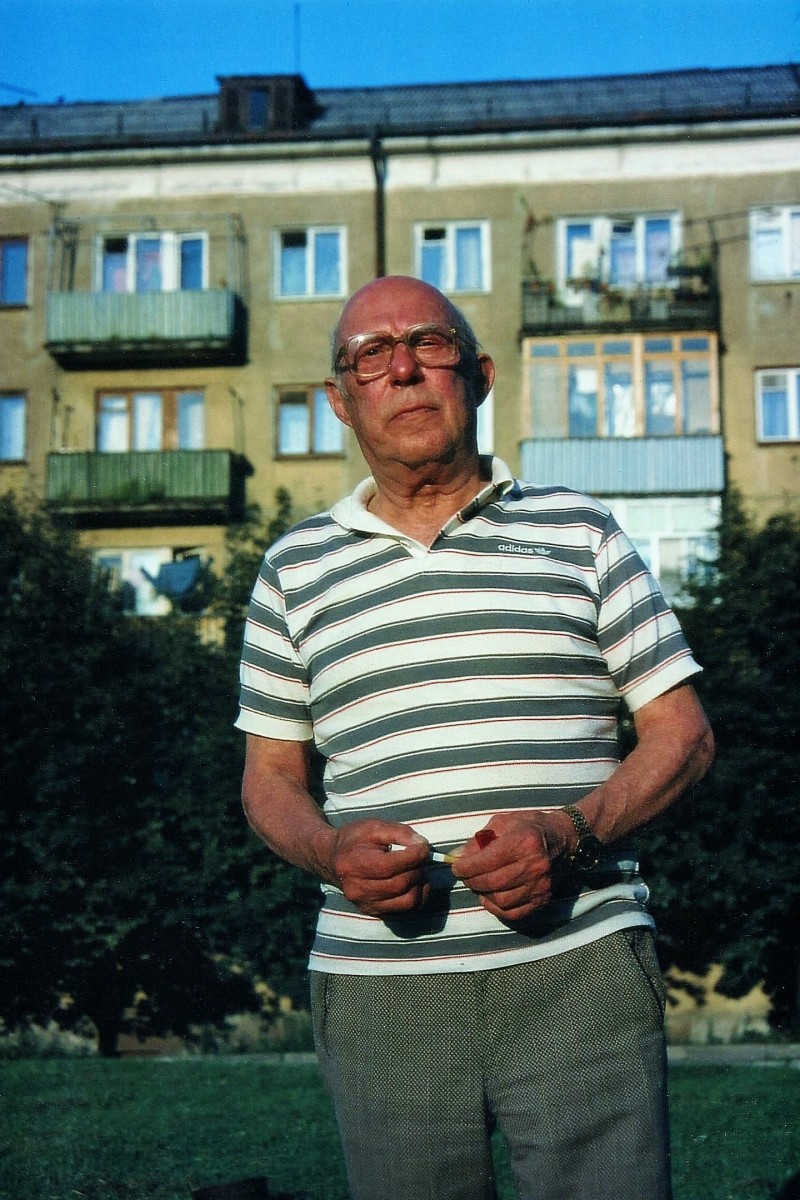
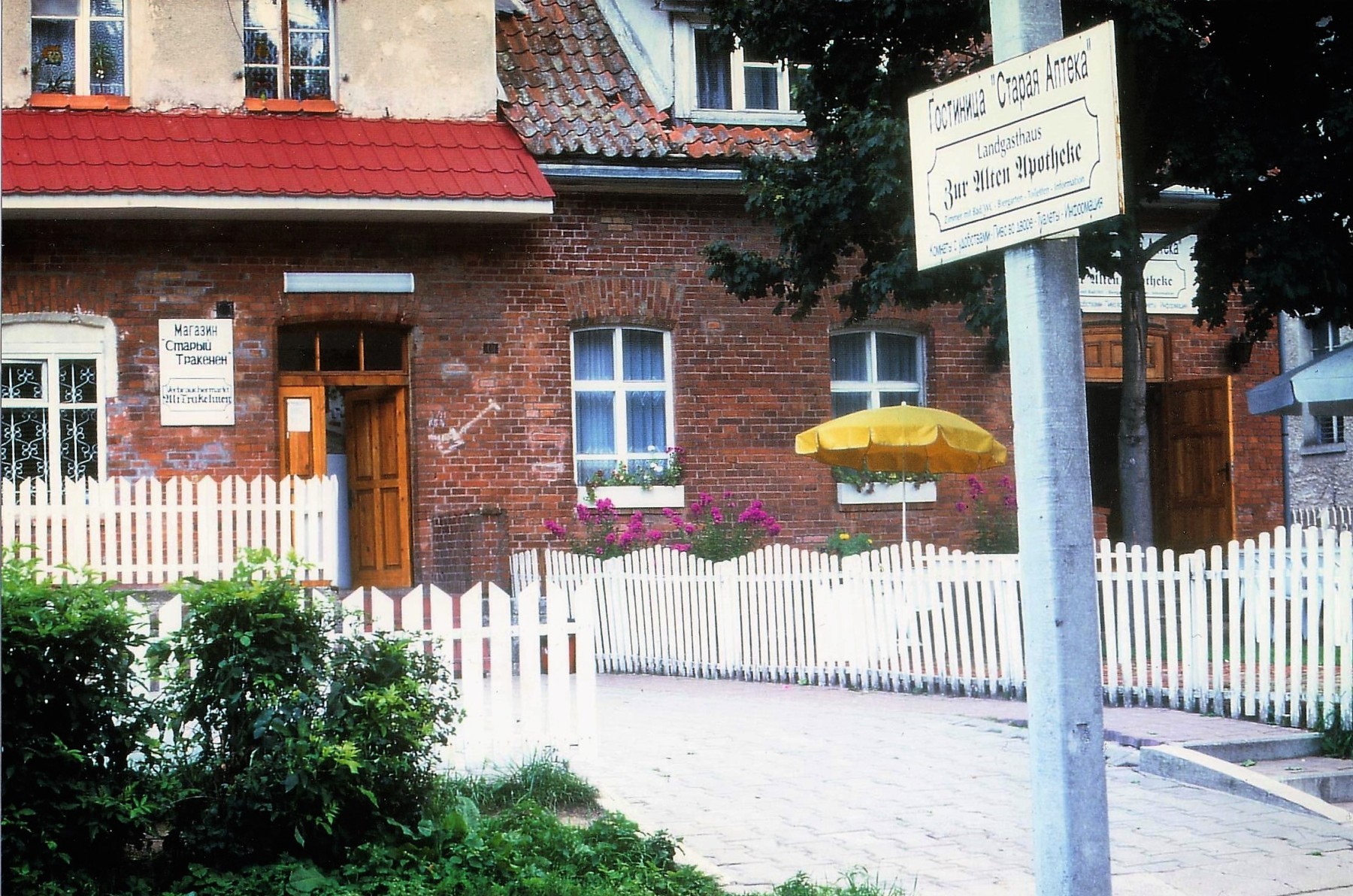
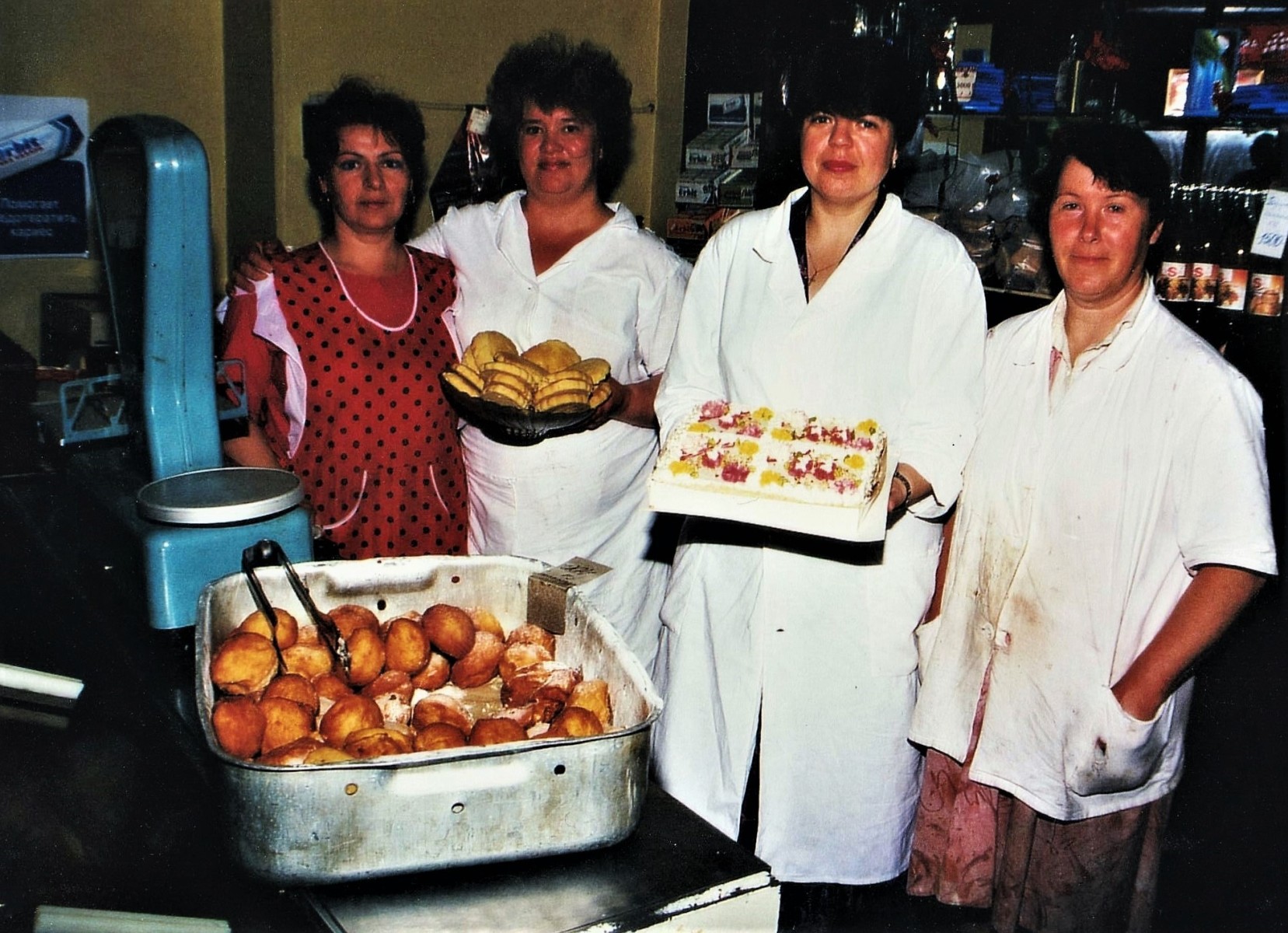
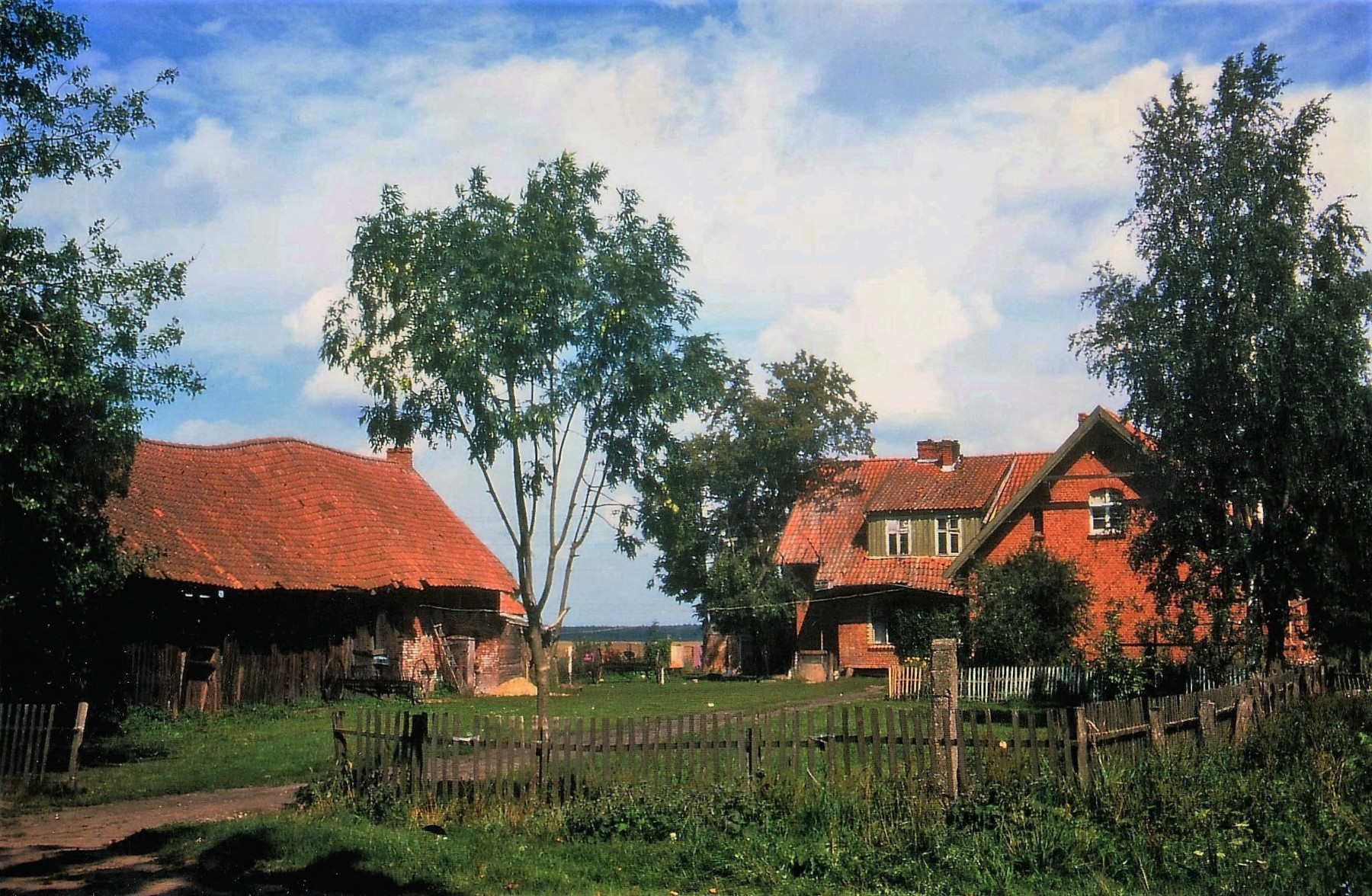
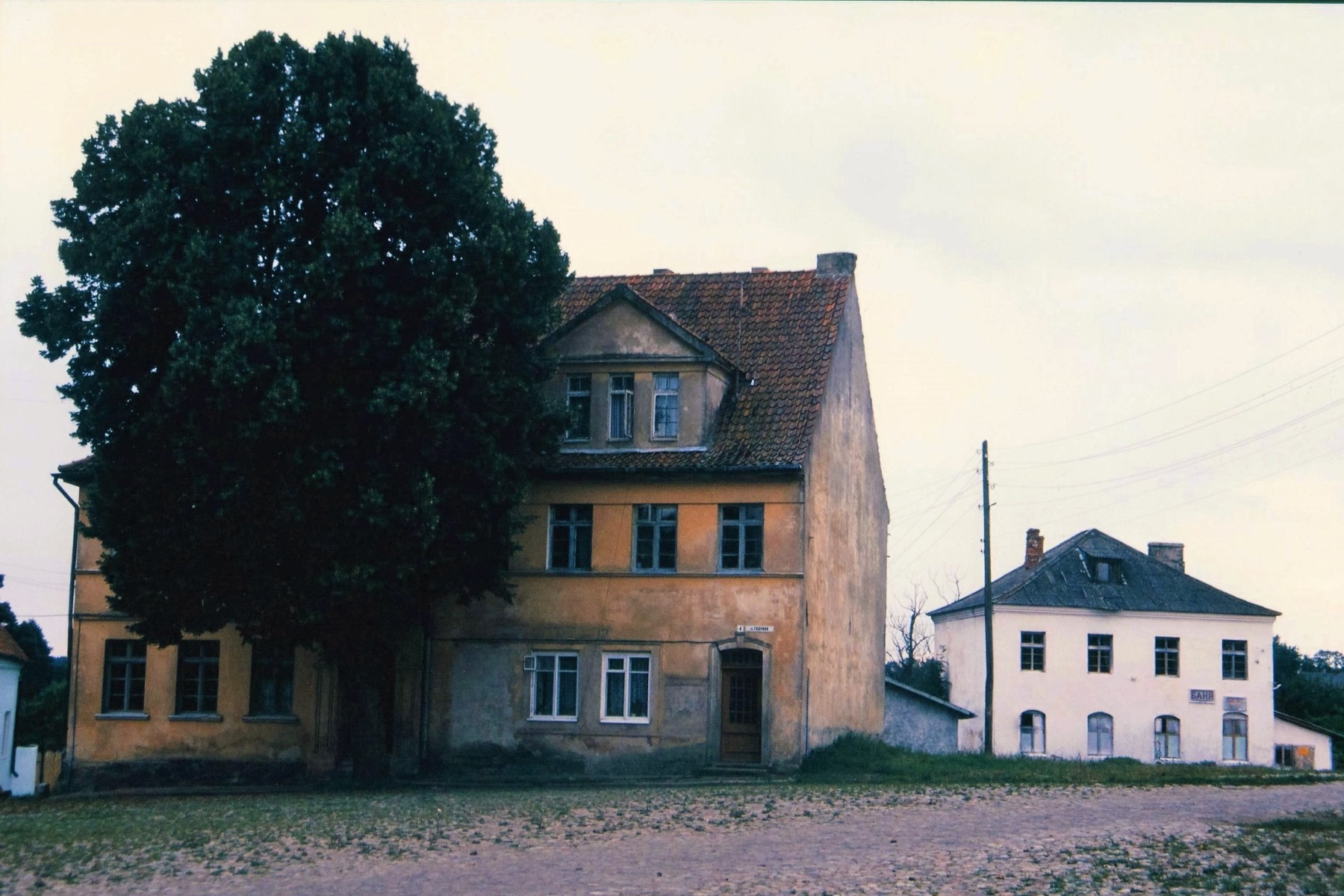
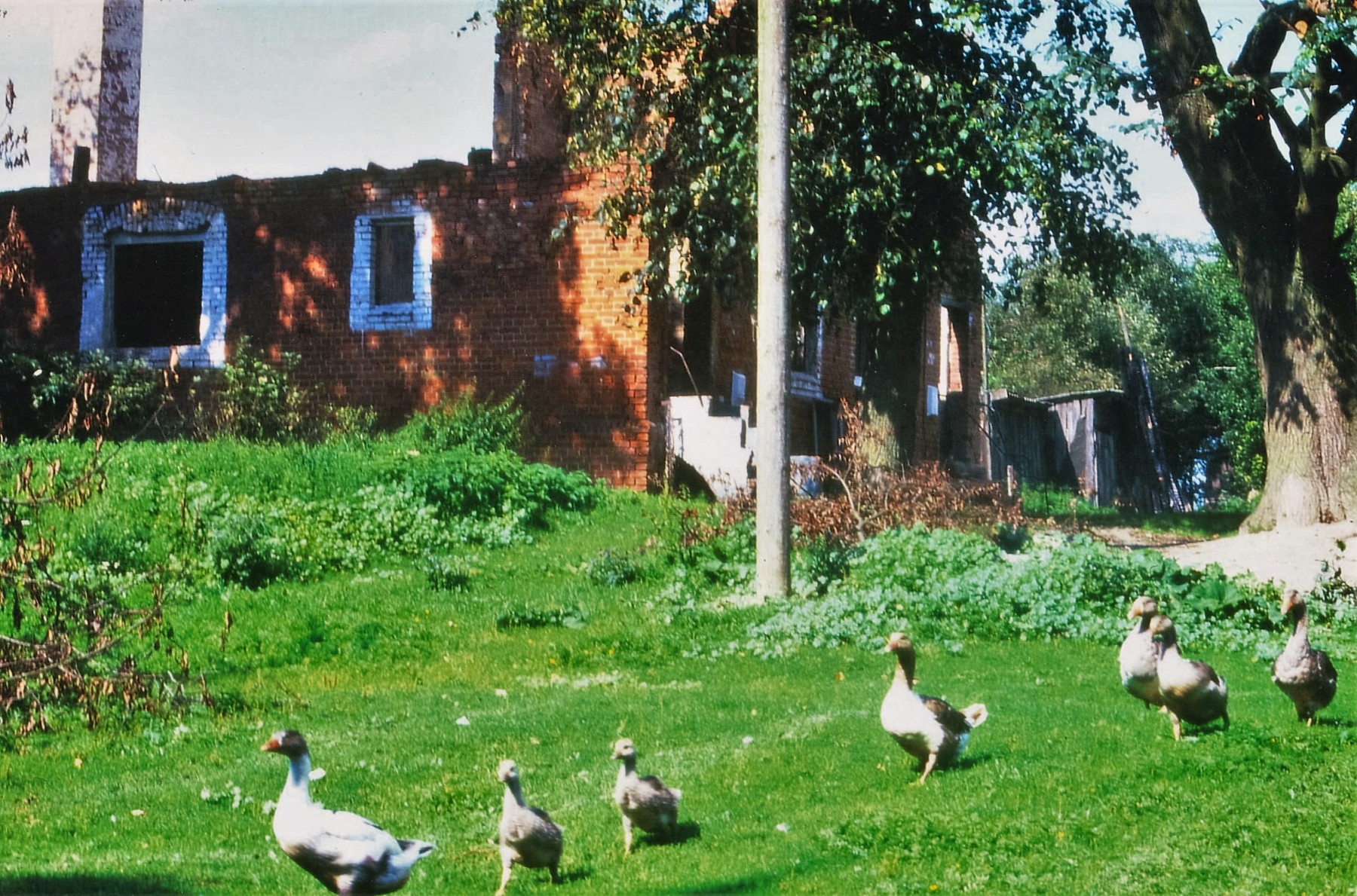
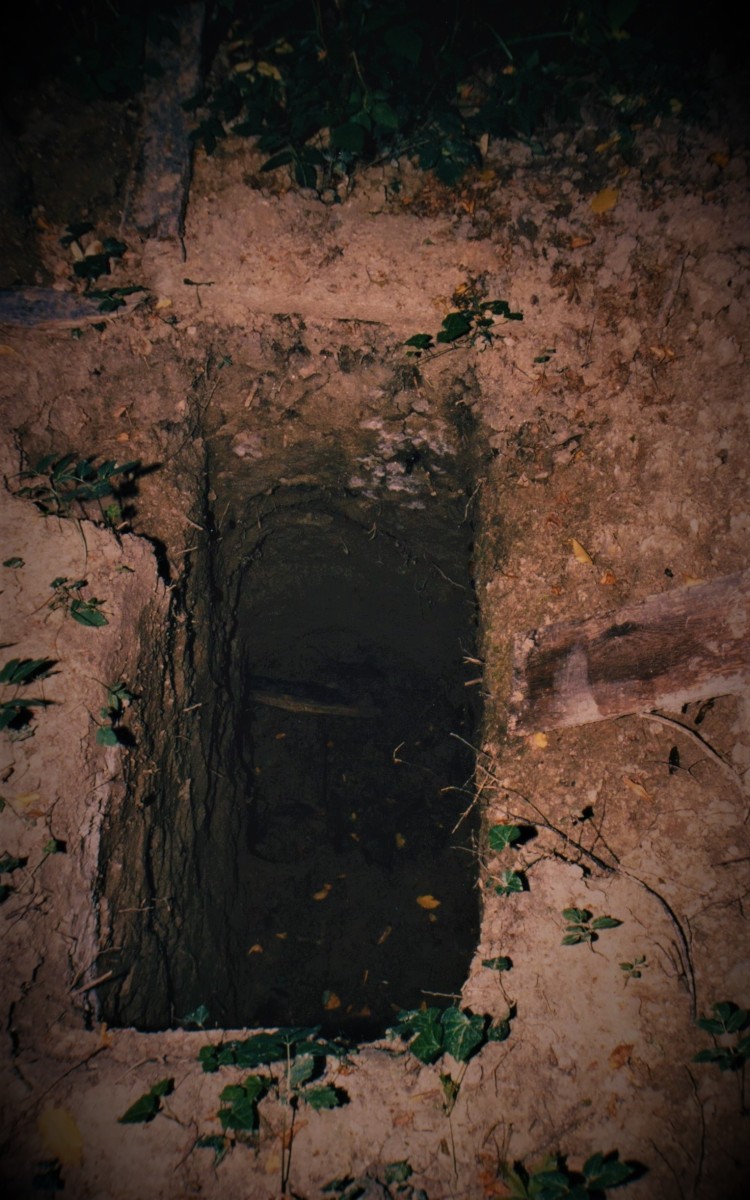
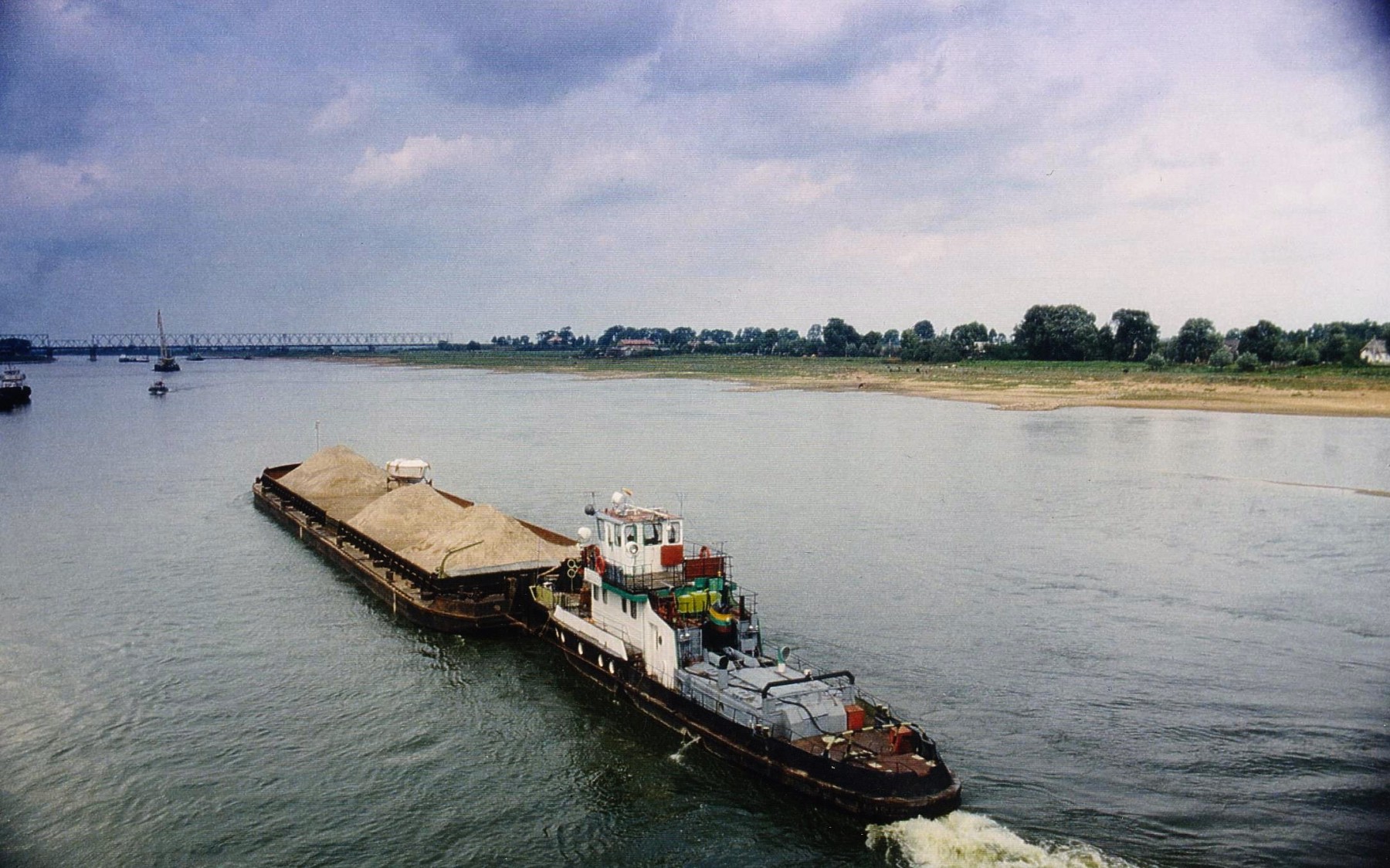
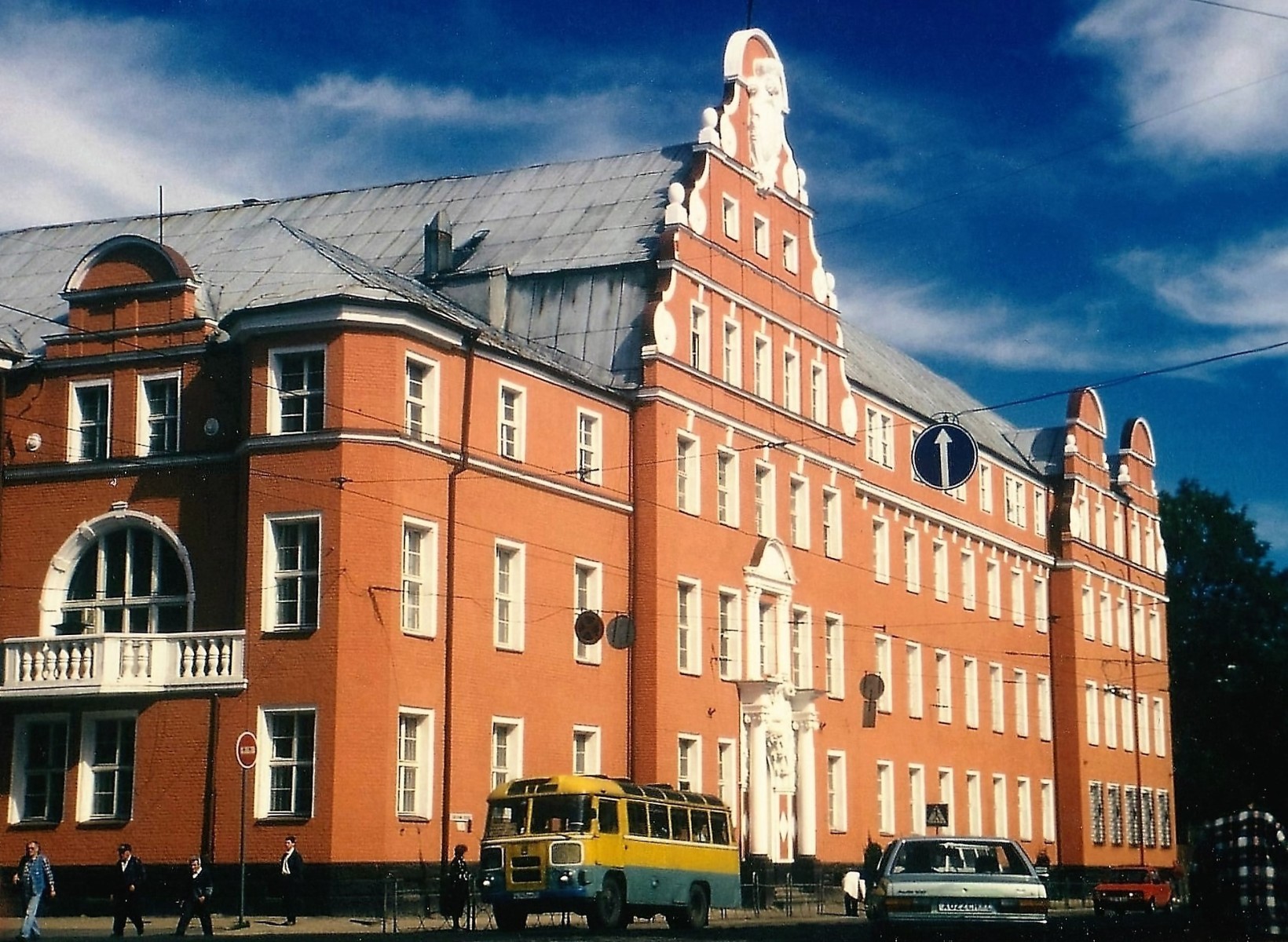
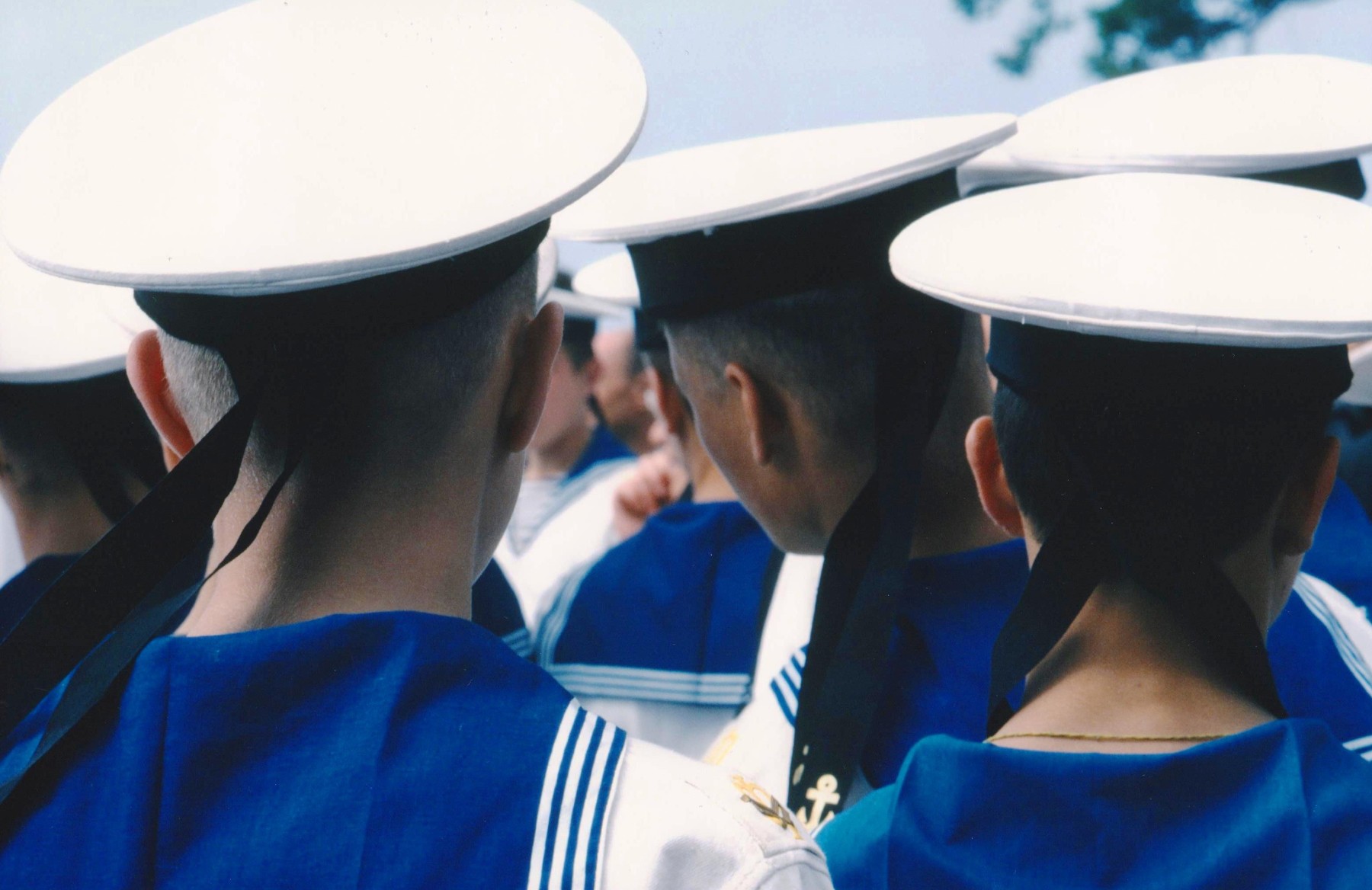
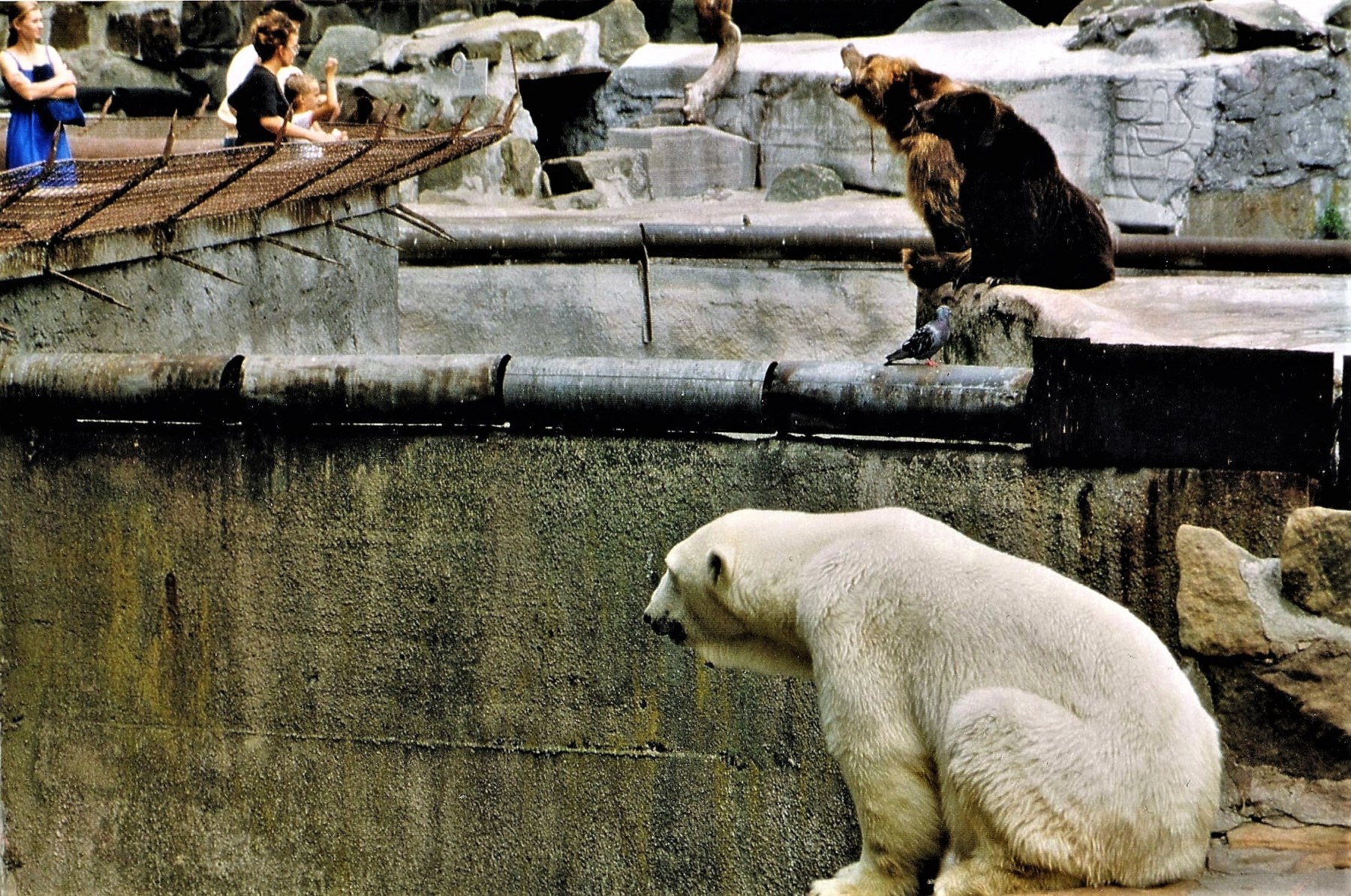
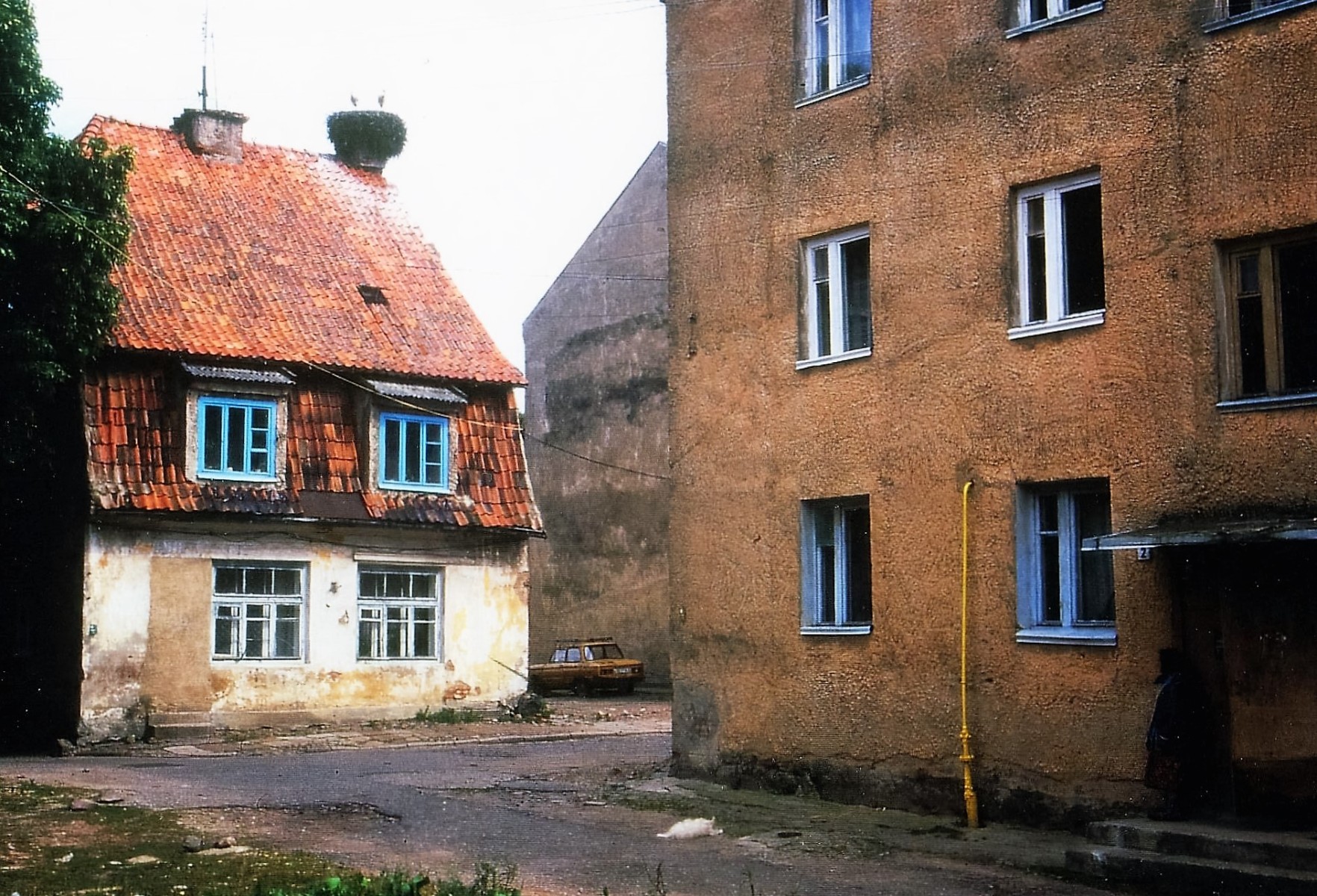
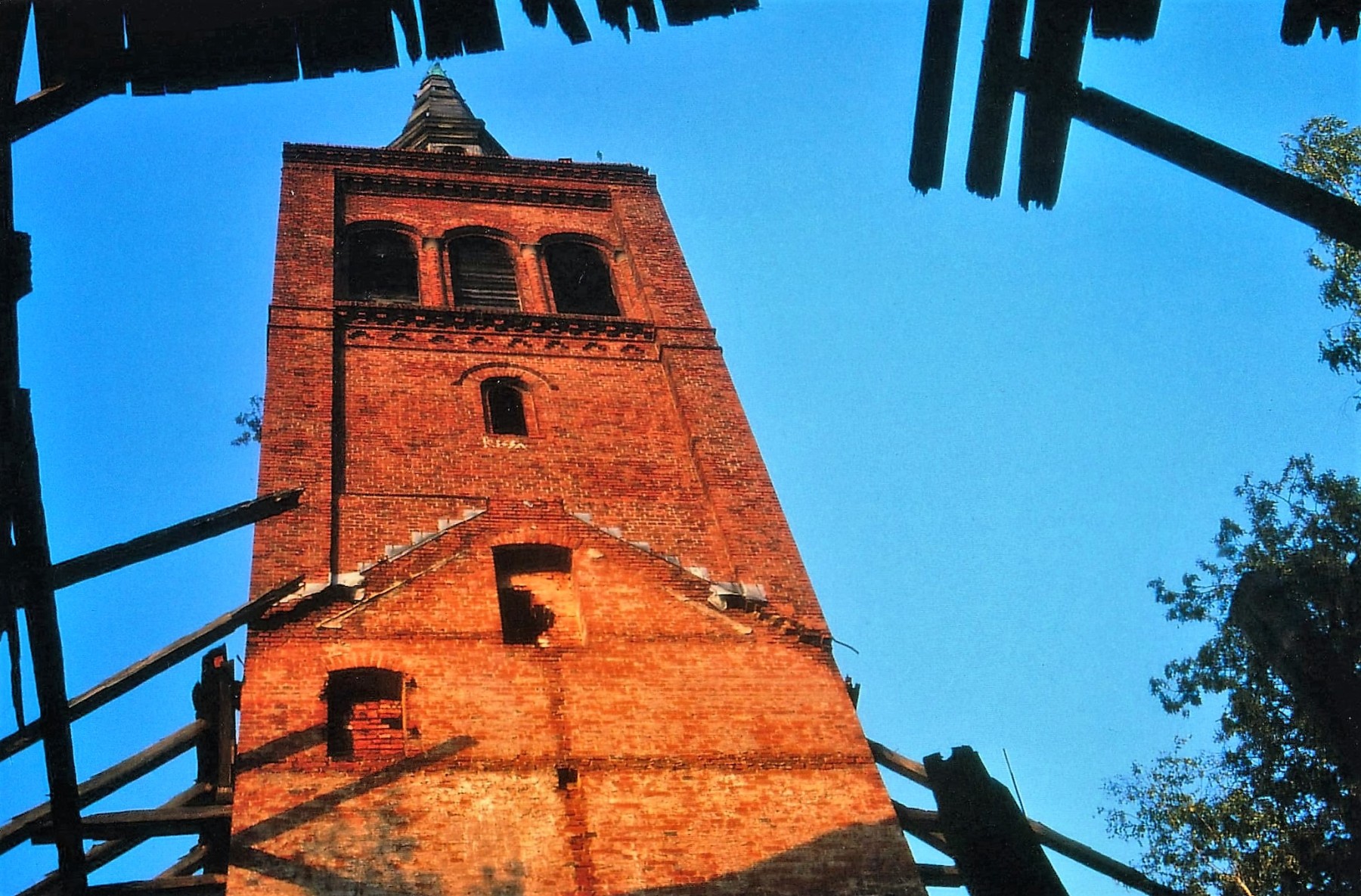
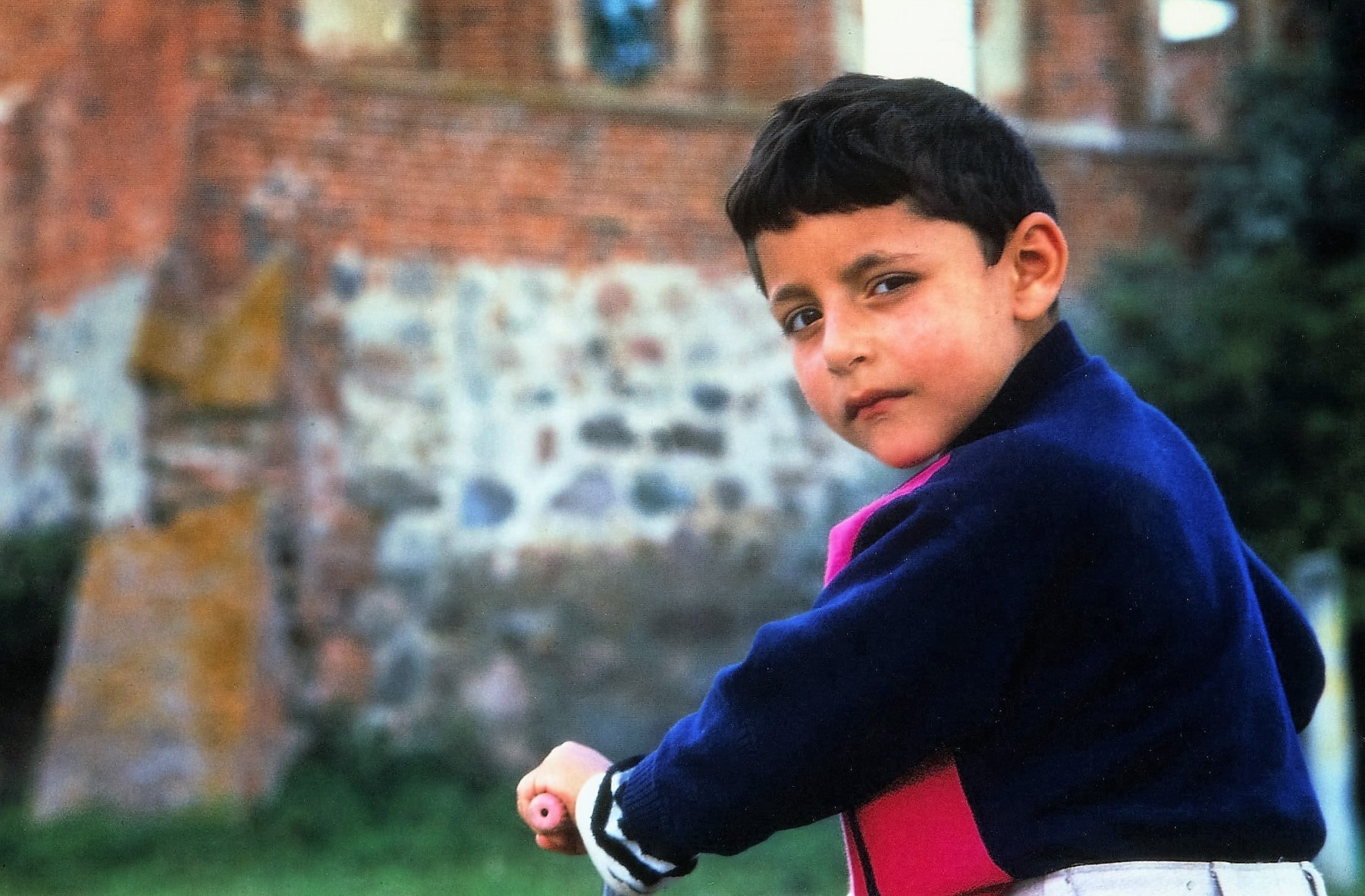
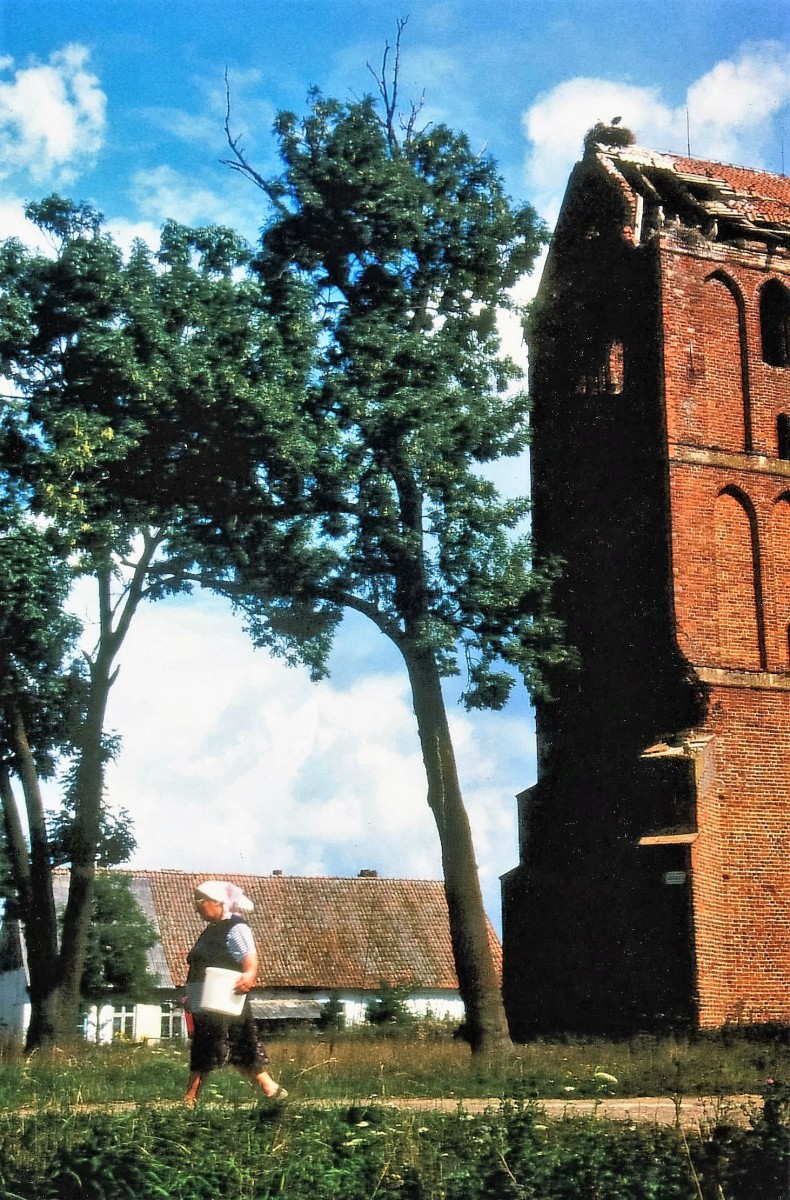
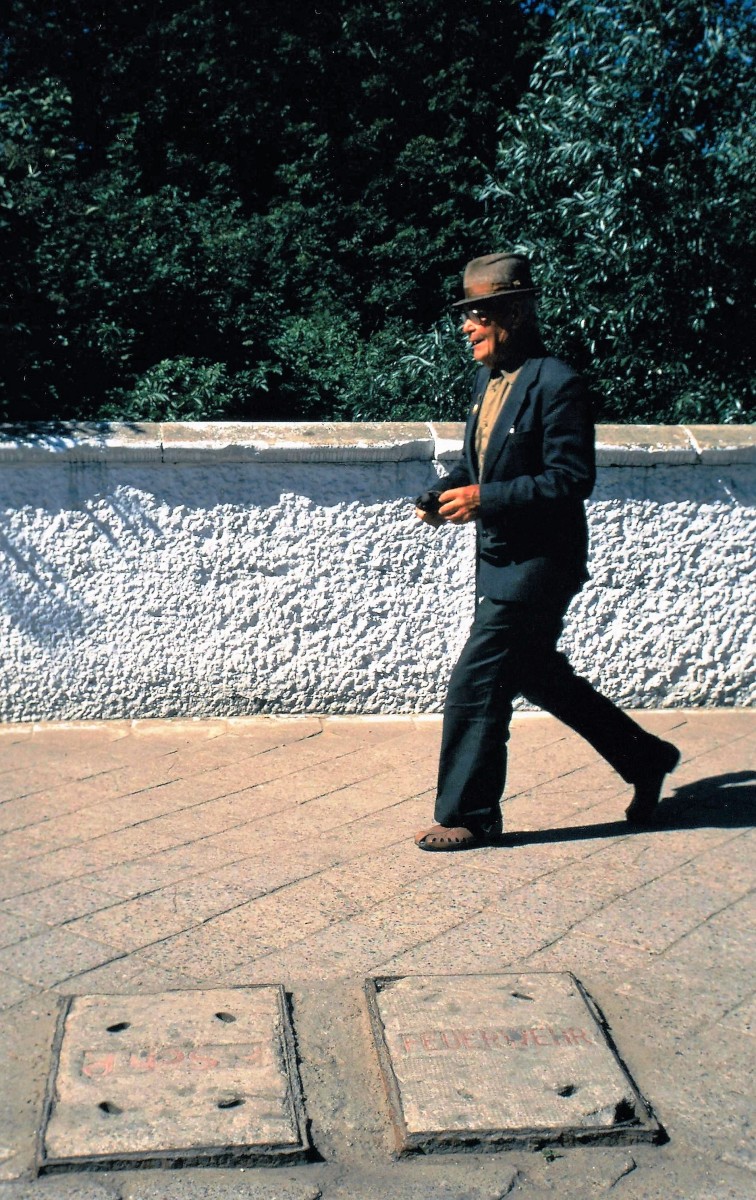
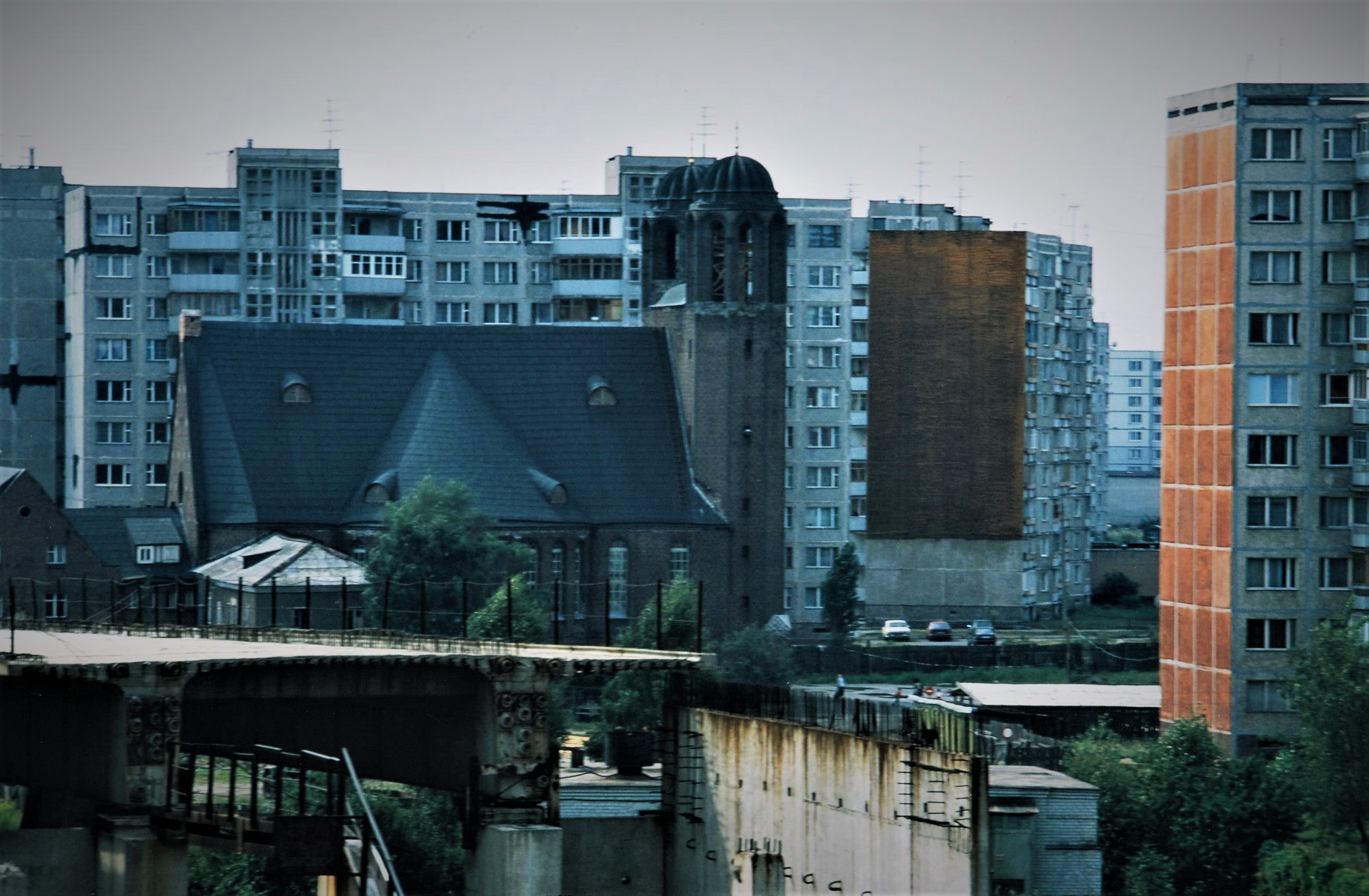
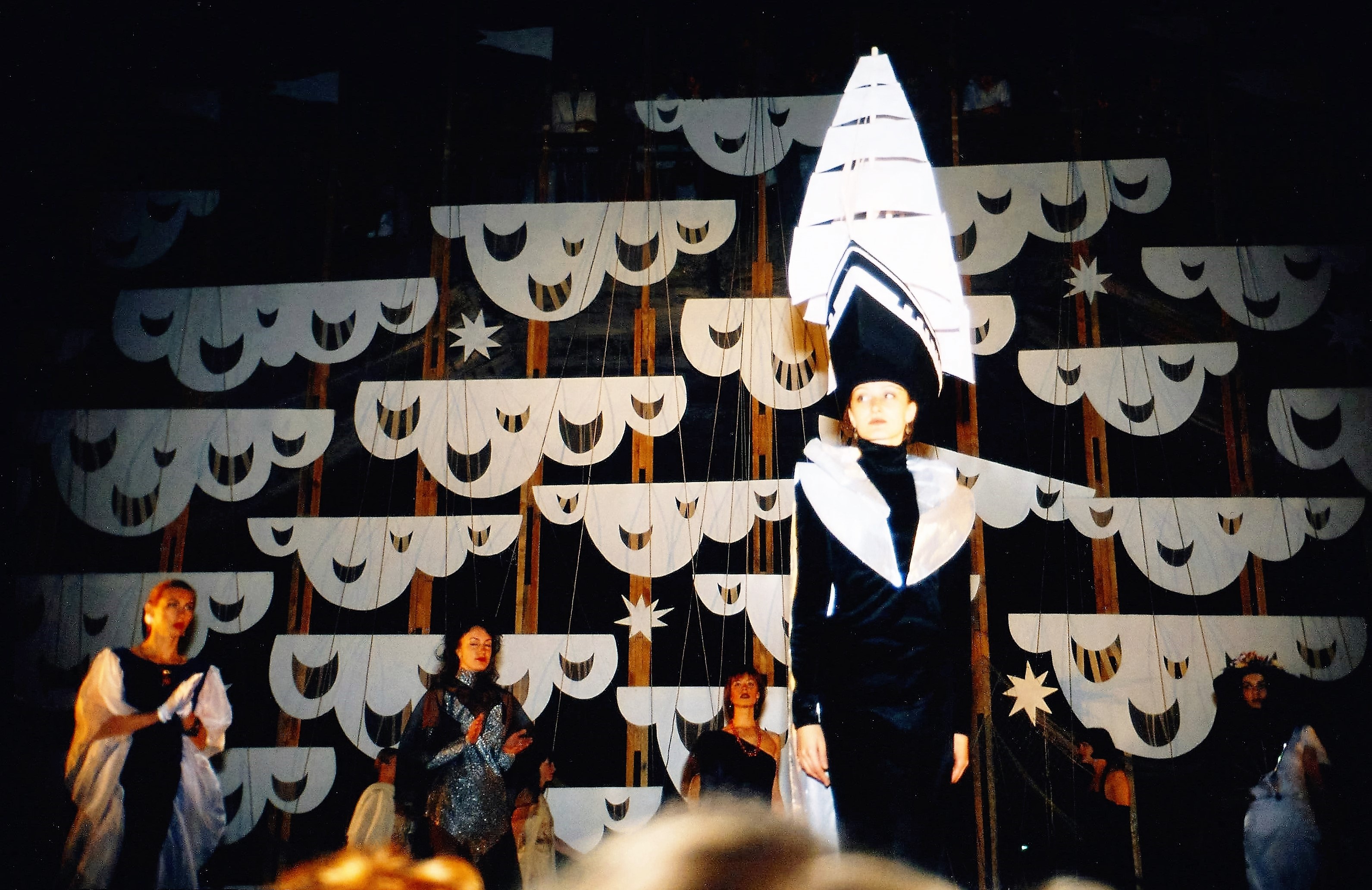
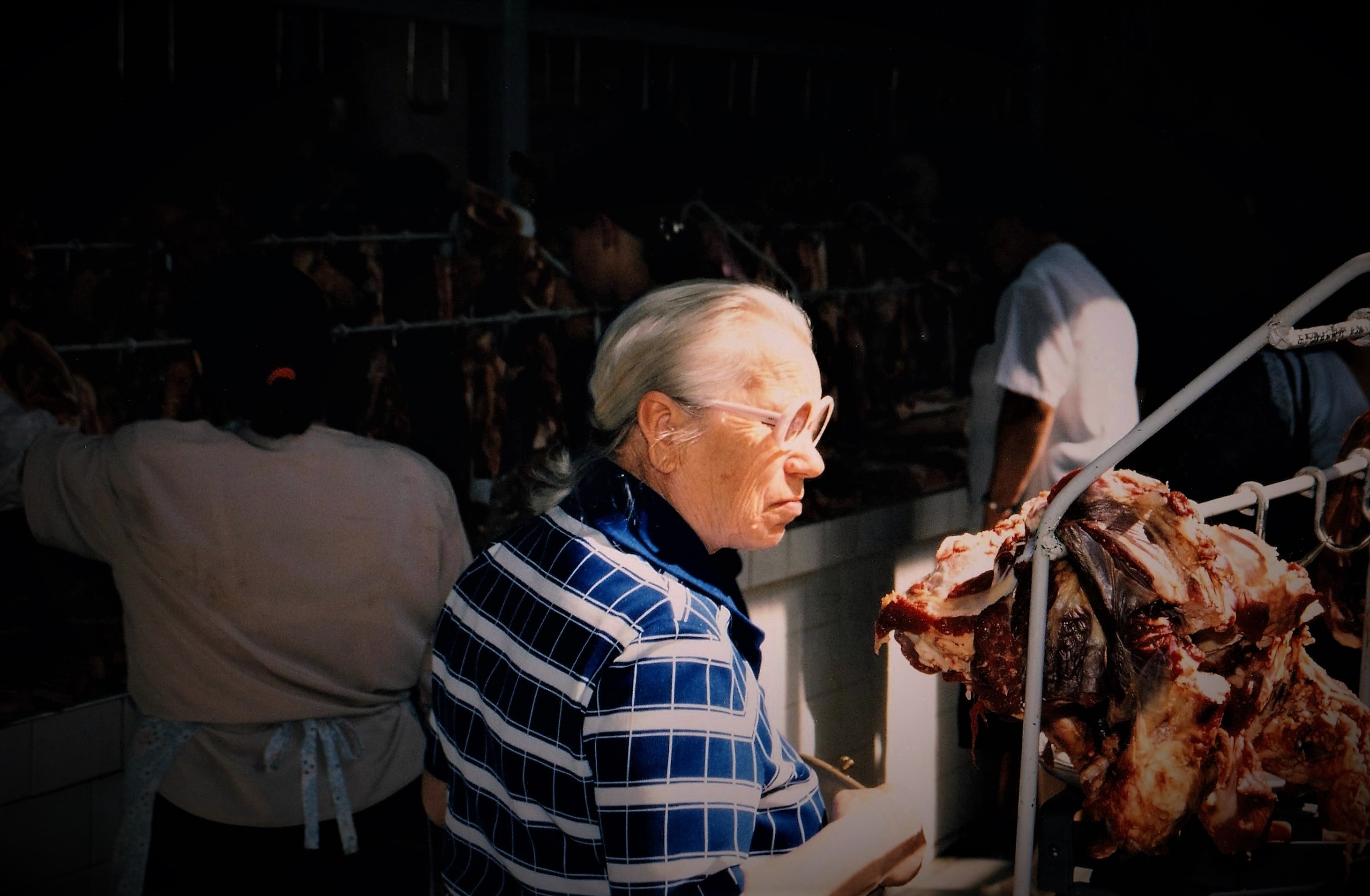
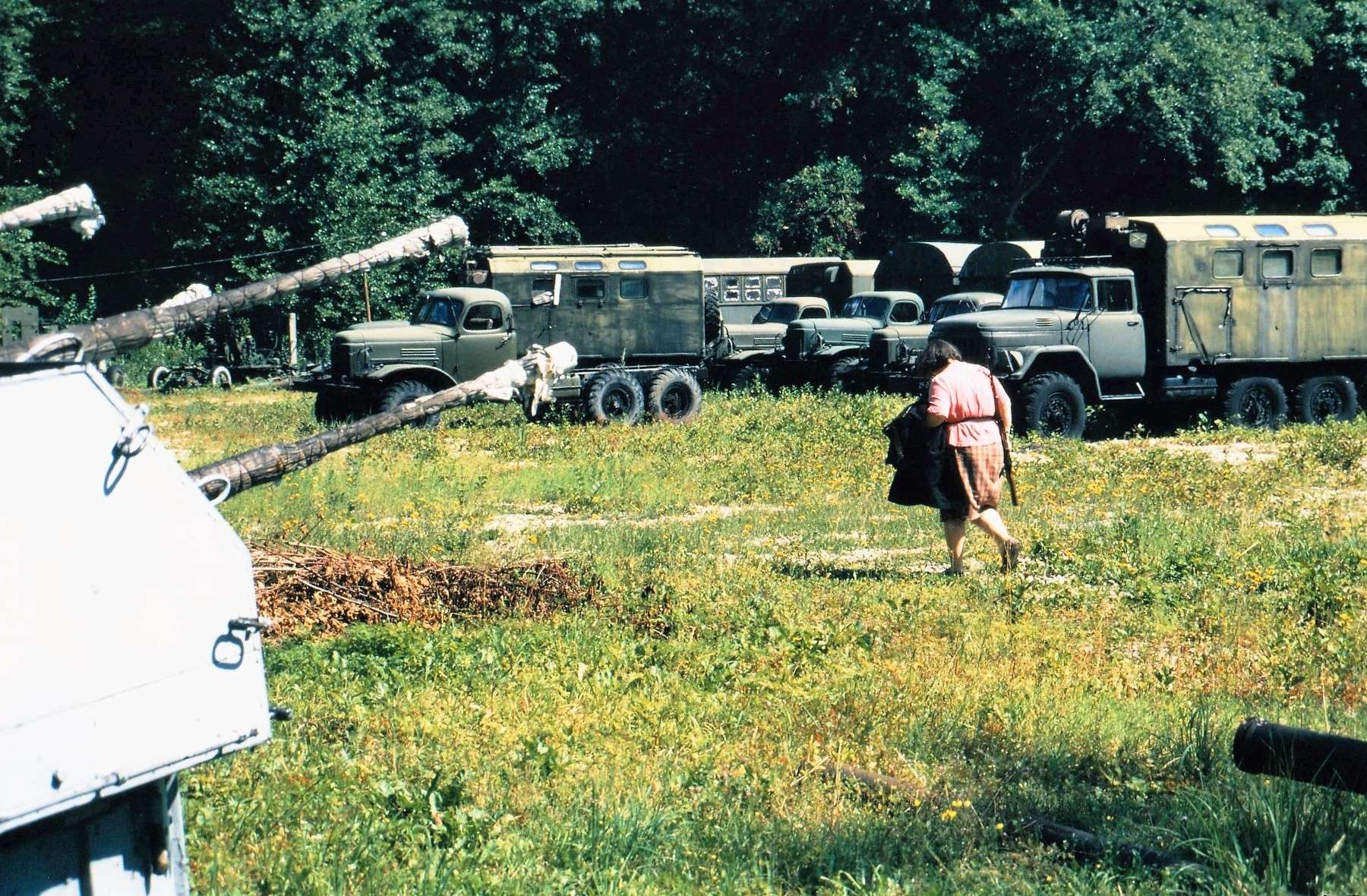
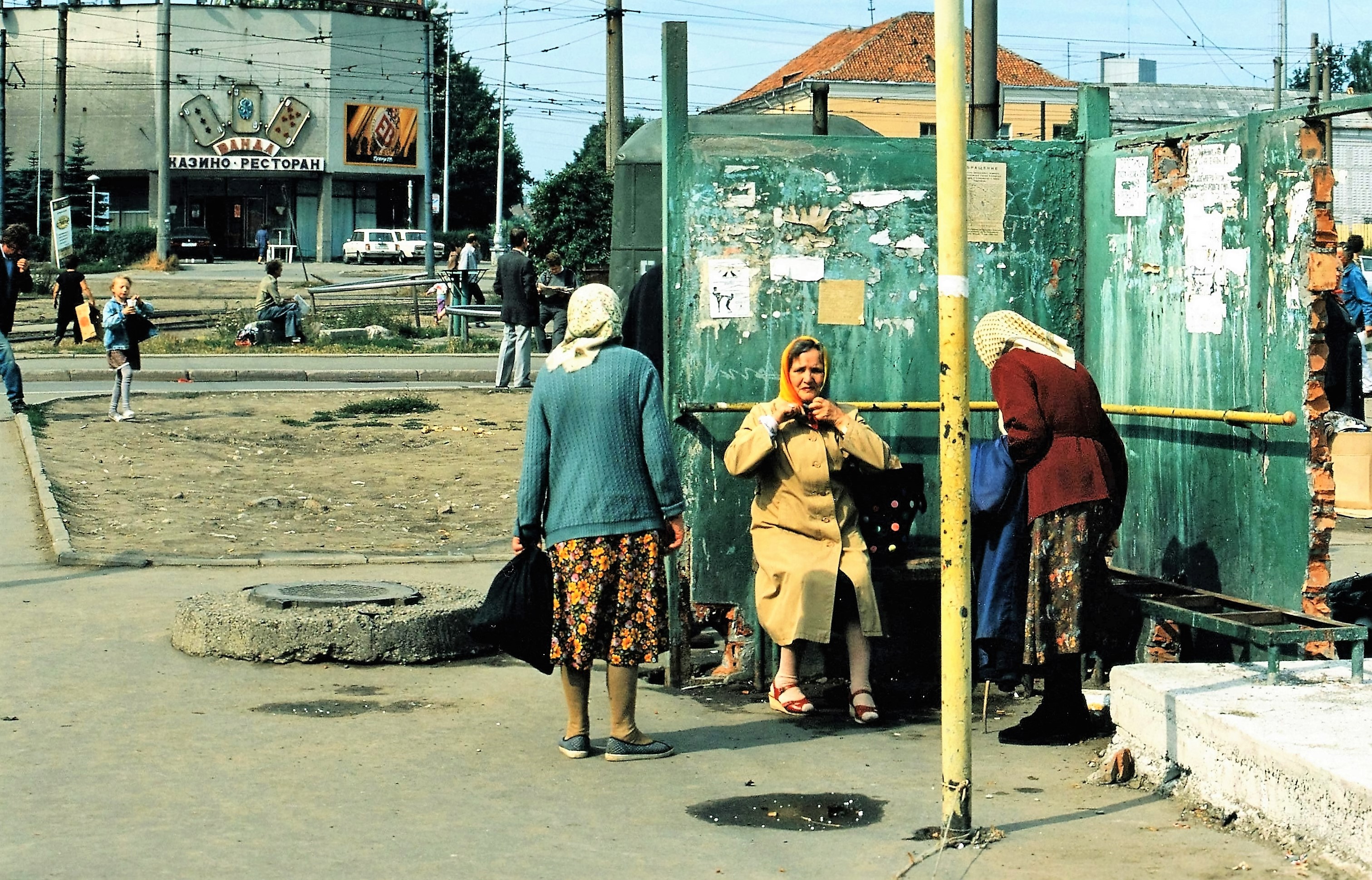
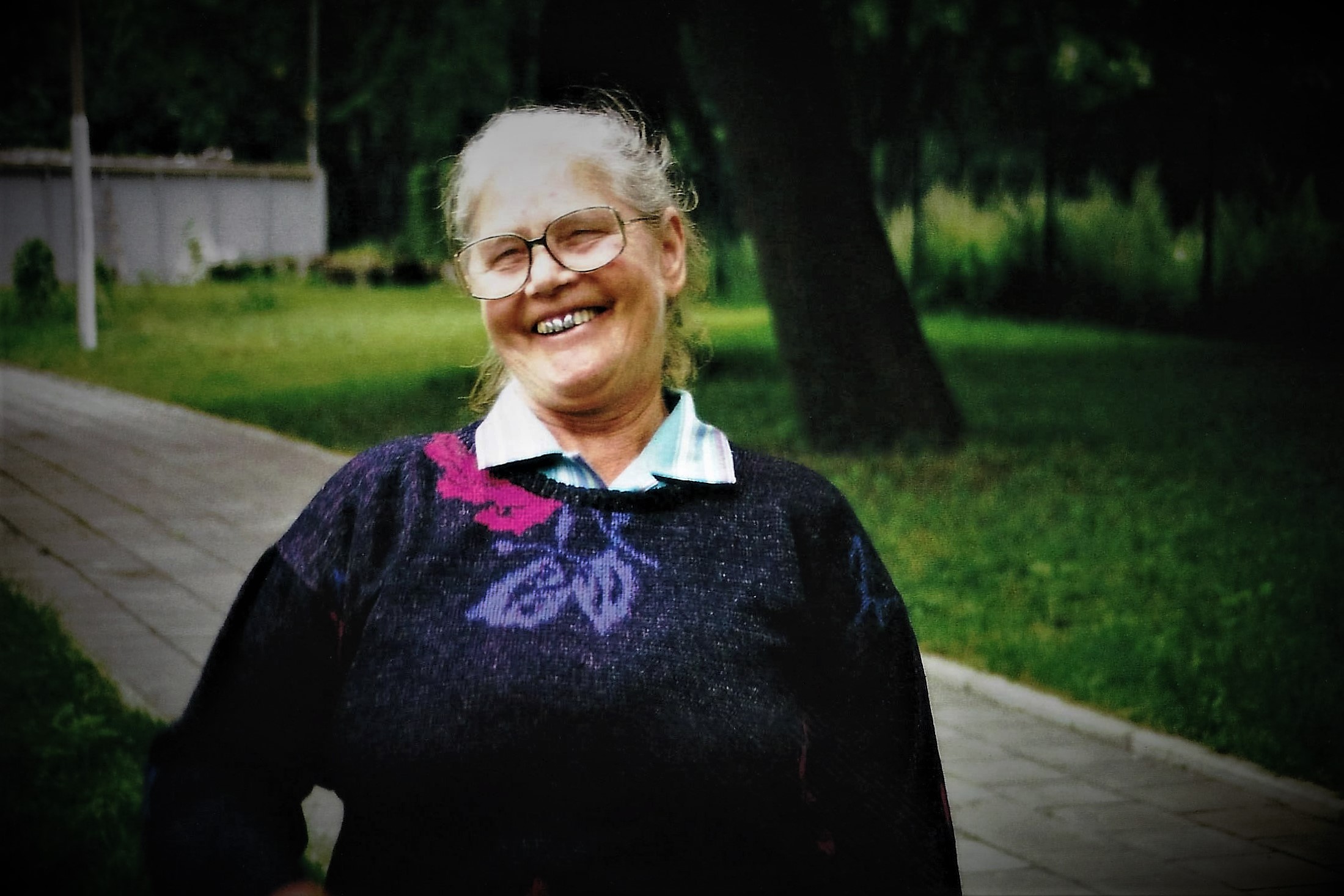
The City K. has many faces, but only one soul. The photographs show the awakening of this soul after a death struggle, wounding, suppression, and slow recovery.
Old Königsberg – disfigured, neglected, or lovingly restored; new Kaliningrad – urbanistically misguided, partly humanely planned, now almost Western and increasingly chic. Within it, a warm and open population. (A.B.)
The photographs were first exhibited at the Poll Art Foundation in Berlin; visitor interest was high, as was media coverage.
“and that you, Königsberg, are not mortal!” (Agnes Miegel)